
Last updated November 25, 2026
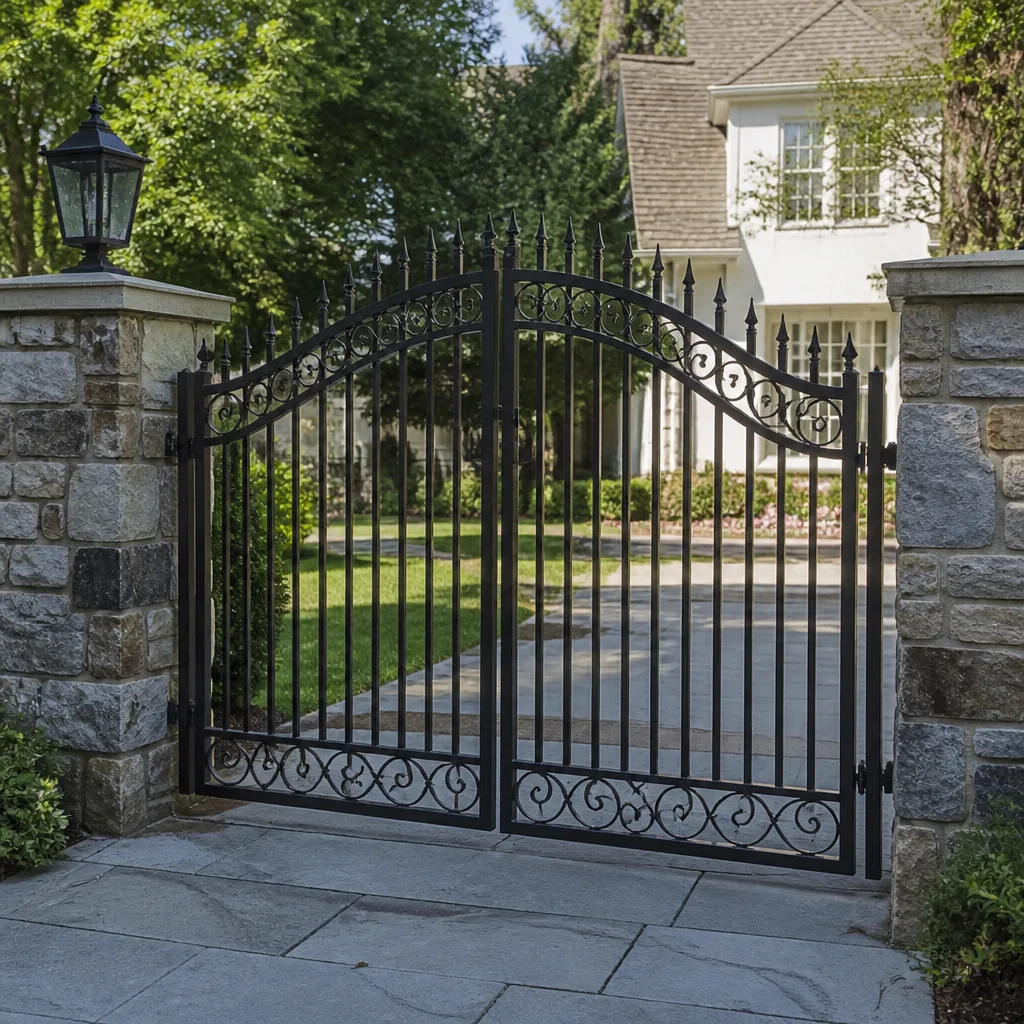 Wrought iron
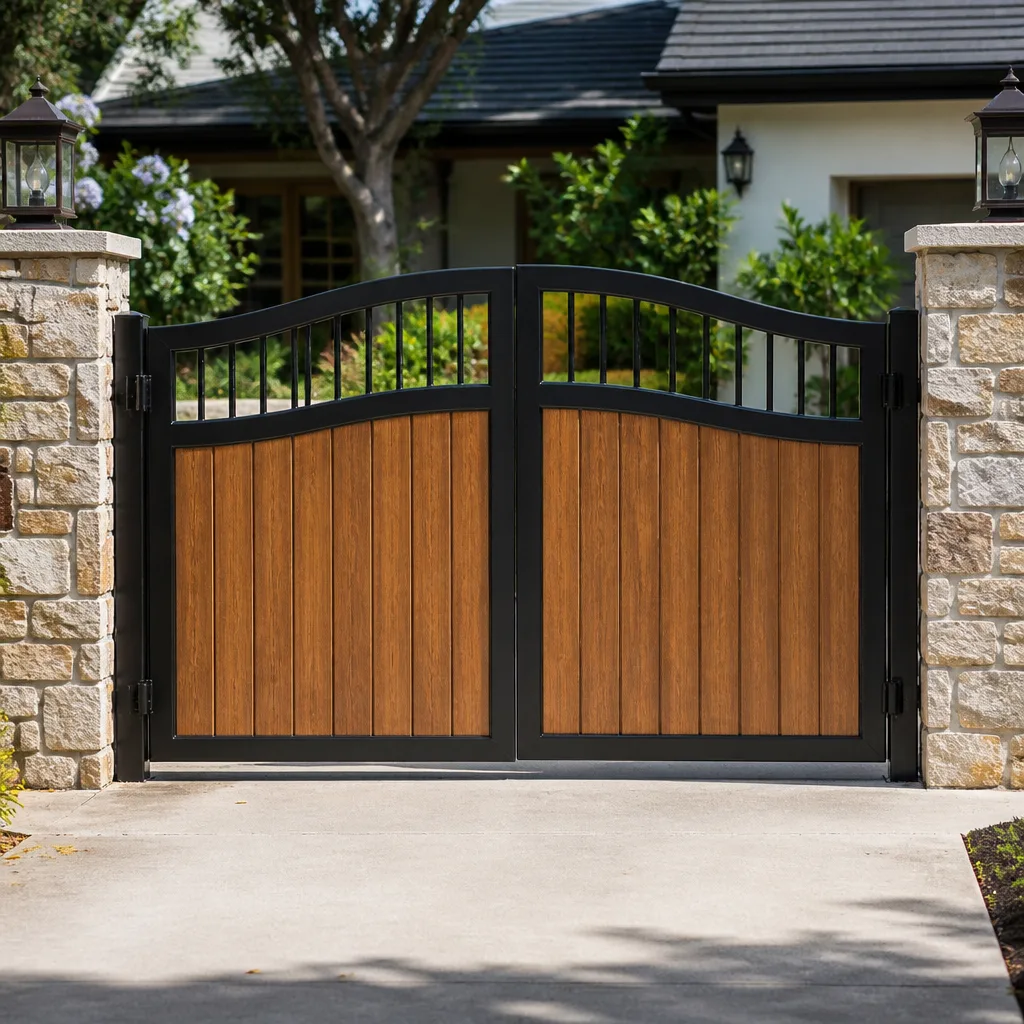 Wood & steel frame
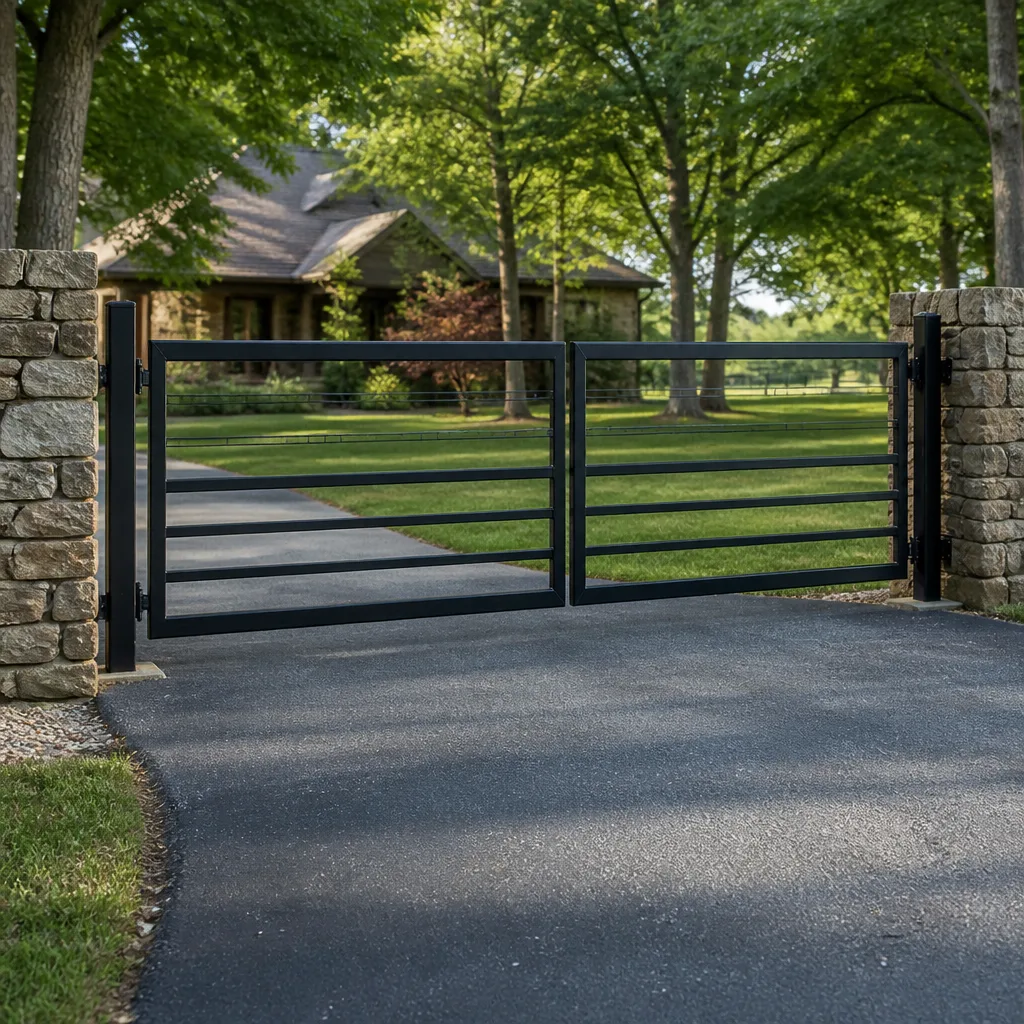 Farm & ranch
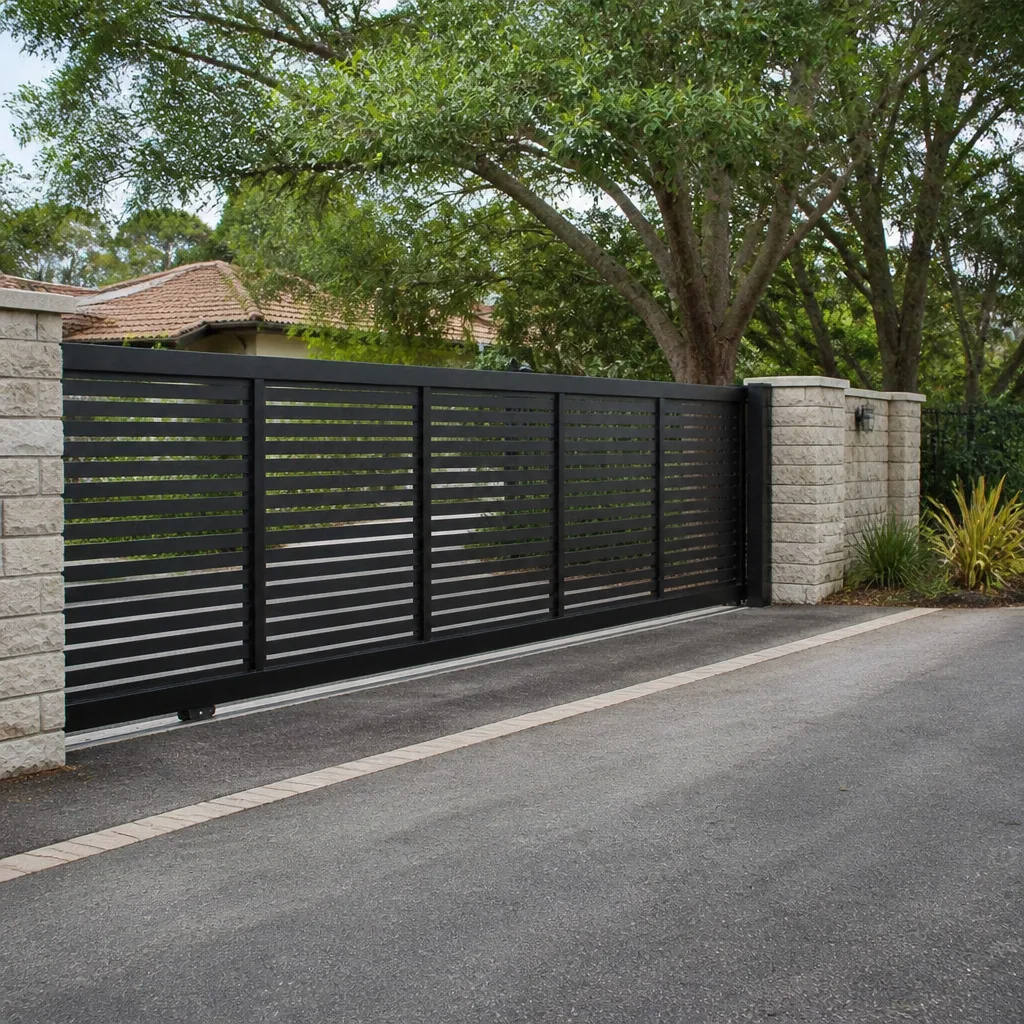 Sliding driveway gates
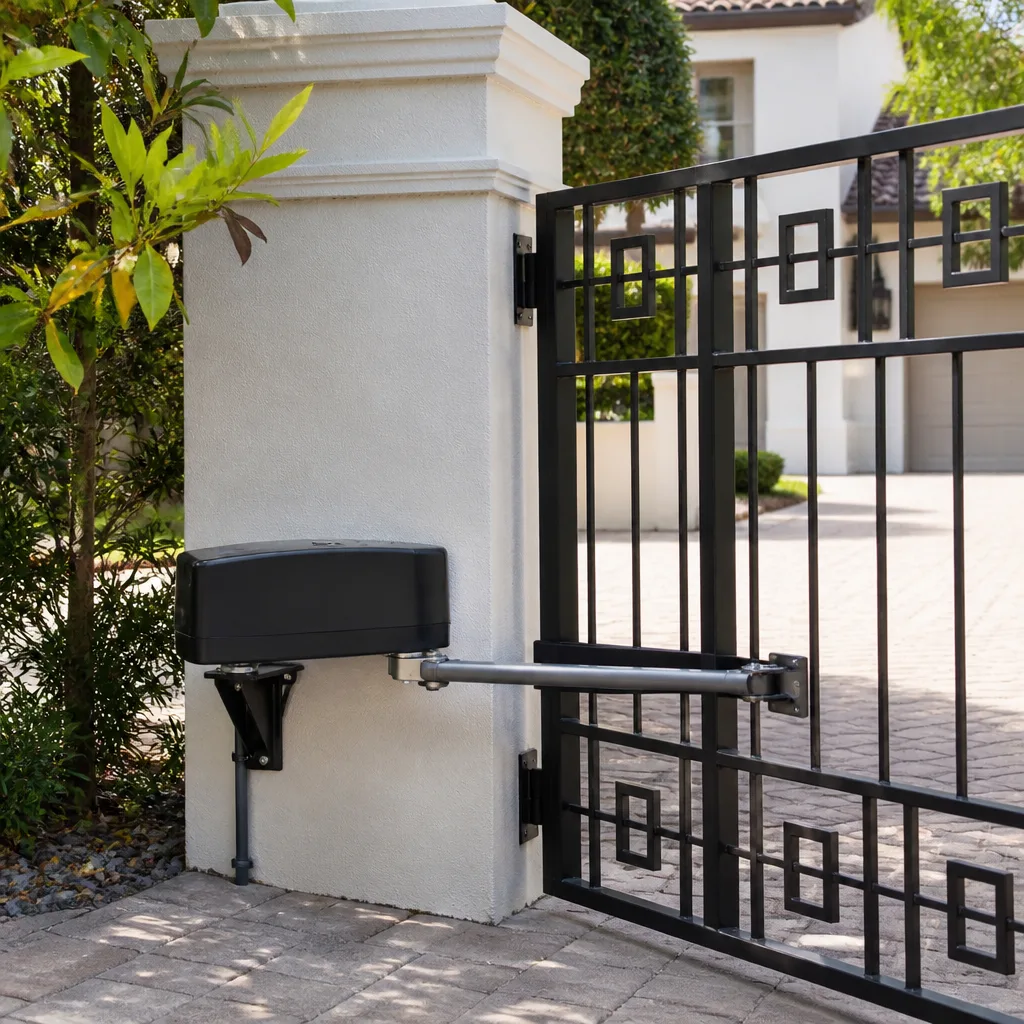 LiftMaster operators
Free on-site gate assessment - hinges, posts, and your LiftMaster or Nice gate operator checked before anything is quoted
The assessment is free and the quote is the invoice.
Get your free estimateGate Repair Permits, Codes & Inspections in Eastmoreland, OR: What You Need to Know
Replacing a gate operator on an existing gate in Oregon usually needs no permit. Setting a new post, widening the opening, or moving the gate to a different lot line almost always does. That single distinction trips up more Eastmoreland homeowners than any other part of the process, because it decides what shows up on a title report, what an inspector asks to see, and whether an insurer treats your automated gate as a permitted improvement or an unrecorded one. This guide walks through which gate work in Eastmoreland is exempt and which needs a city permit, how UL 325 safety rules are actually checked on residential systems, how the neighborhood’s HOA overlay sits on top of city code, and what to do about work a previous owner never permitted.
Quick Answer
In Eastmoreland, gate repair and maintenance on an existing gate generally does not require a city permit, but adding a new post, relocating a gate opening, running new electrical service to a gate, or building a gate taller than the fence line typically does. Automated residential gates also need to meet UL 325 safety standards, and in Eastmoreland’s historic overlay areas an HOA or design review layer can add its own approval step before the city permit is even filed. When in doubt, ask Portland’s permitting office about the specific scope before work starts, because an inspector who finds unpermitted structural work can require it to be corrected or removed.
Styles & brands we work with
- Wrought iron
- Wood & steel frame
- Farm & ranch
- Sliding driveway gates
- LiftMaster operators
Table of Contents
- Does gate repair need a permit in Eastmoreland?
- Which gate projects trigger a permit in Portland?
- UL 325 safety compliance and how inspectors apply it
- HOA and historic overlay rules in Eastmoreland
- What a failed gate inspection looks like
- Documenting unpermitted prior work before you sell
- A step-by-step permit path for an Eastmoreland gate project
- When to call a professional
Does gate repair need a permit in Eastmoreland?
Most gate repair does not need a permit in Eastmoreland. Swapping a failed motor, replacing a control board, rebuilding a hinge, changing a keypad, or re-hanging a sagging gate leaf is maintenance, and maintenance is exempt from building permits. This is the part of the trade that keeps Eastmoreland’s older homes working, because a gate that has been in place for decades usually needs mechanical repair rather than a new structure.
Where the line gets crossed is structural change. The moment a repair becomes an alteration to the footprint, the height, or the attachment point, it stops being maintenance. In Eastmoreland, that usually shows up in three ways:
- New gate posts or footings. Any new post set in the ground, including a post replacing one that rotted out, can trigger a permit because it changes the structural assembly.
- Relocating the gate opening or widening the driveway apron. Moving the gate to a different spot changes where vehicles and drainage are directed, and the city wants to see that change on paper.
- Raising the gate height beyond what’s allowed at the lot line. Height limits for fences and gates vary by zone, and going above them is a permit-and-variance question, not a repair.
In Eastmoreland specifically, the permit path also touches the historic and neighborhood overlay rules that sit on top of the base zone. Before you order a post or a new leaf, the right move is a call to Portland’s permitting office with the scope in hand. Our gate repair work is always scoped against what the city actually requires, because a repair that quietly crosses into alteration is the kind of thing that surfaces years later at a title search.
Which gate projects trigger a permit in Portland?
A Portland permit is triggered by structural, dimensional or electrical change, not by the act of fixing a gate. The table below is the practical version most Eastmoreland homeowners want: what the job is, and whether it needs a city permit.
| Gate project | Permit needed? | Why |
|---|---|---|
| Motor replacement on existing gate | Usually no | Maintenance, not structural change |
| Control board, keypad, intercom replacement | No | Like-for-like electrical component swap |
| Hinge, roller, latch or track repair | No | Mechanical repair |
| New gate post or footing | Usually yes | Changes the structural assembly |
| Relocating the gate opening | Yes | Changes site layout and access |
| Gate taller than zone height limit | Yes, may need variance | Height is regulated |
| New electrical service to the gate | Yes, electrical permit | New circuit or service |
| Gate on a multi-unit property at a shared entry | Often yes | Access control scope, not residential repair |
That last row is the piece most online permit guides skip entirely. A residential driveway gate and the vehicle entry for a multi-unit or commercial property go through different frames. The residential exemption for repair work does not automatically carry over when the gate is a shared access point, and treating them the same way is a common source of inspection problems.
On the electrical side, dropping a low-voltage line to feed a gate operator is typically not a full electrical permit, but running a new utility feed or installing a new 120-volt circuit to a gate is. The safest rule is to ask before the trench is dug. Our team handles the mechanical, motor and access control side of gate motor & opener work, and we can flag the electrical scope before a job turns into something that needs a licensed electrician.
UL 325 safety compliance and how inspectors apply it
UL 325 is the safety standard that governs automated gate operators, and Oregon inspectors apply it to residential automated gates by looking for a small set of physical features. The standard exists because an automated gate is a moving barrier weighing hundreds of pounds. It’s also why a gate that closes automatically without proper detection is the number one safety concern on a residential automated system.
What an inspector or a trained technician checks on a residential automated gate typically includes:
- Primary entrapment protection. The operator itself should have an inherent reversal or force-limiting feature that stops the gate when it meets resistance.
- Secondary entrapment protection. Photoelectric eyes, a gate edge sensor, or another approved detection device, depending on the operator type and the gate’s geometry.
- Operator classification. Residential driveway operators (Mighty Mule, Ghost Controls, Viking and Linear models common on Eastmoreland driveways) fall into a different class than commercial swing and slide operators like BFT, FAAC and DoorKing units found at multi-unit entries.
- Warning signage. A visible warning placard mounted on the gate or near the operator is part of the standard.
- Disconnect and manual release. The gate needs a way to be taken offline and operated by hand if the operator fails or power is lost.
A sliding gate that meets UL 325 requirements for an underground operator is a meaningfully different installation than a swing gate driven by a residential-grade arm operator. The safety device set changes with the operator type, the gate weight and the travel distance. This is exactly the part of the trade a general fence contractor cannot diagnose reliably.
The practical takeaway: if you’re replacing an operator on an existing gate, the replacement also needs to bring the safety devices up to the current standard for that class. A newer motor on a gate with no gate edge sensor and no photo eyes is a downgrade in safety, even though the motor is new.
HOA and historic overlay rules in Eastmoreland
Eastmoreland sits under an HOA overlay and historic design review layer that both sit on top of Portland’s base zoning code. That means an Eastmoreland gate project can pass the city permit review and still be stopped by the neighborhood association, or vice versa. This is the second-most-missed rule on any local permit guide, because the answers live in the HOA’s architectural guidelines and the neighborhood’s design review rules, not in the building code itself.
In practice, the Eastmoreland HOA overlay and design review requirements affect gate projects in a few specific ways:
- Materials and finish. Design review guidelines typically address what the gate looks like from the street, including material, profile and paint color. A standard off-the-shelf gate may not match the surrounding architecture.
- Height and visibility. Street-facing gates sometimes need to be set back or held at a specific height so they don’t dominate the frontage.
- Setback and driveway alignment. A gate that changes the driveway approach, the corner radius, or the distance from the sidewalk can run into both HOA and city review.
- Historic district details. Where a property sits inside a designated district, details like ornamentation, fasteners and structure can be part of the review.
The right sequence matters. In Eastmoreland, the safest order is HOA and design review acknowledgement first, then the city permit filing, then ordering the gate or post. The other direction (build it, then ask) is how a homeowner ends up rebuilding a gate they already paid for. And a design review approval doesn’t replace a building permit; both are separate checks. Before you order anything, ask the HOA architectural committee and Portland’s permitting office what your specific project needs, in writing.
What a failed gate inspection looks like
A failed gate inspection in Eastmoreland most often comes down to missing safety devices and paperwork that doesn’t match what’s on the ground. The gate itself usually looks fine. What trips it are the UL 325 devices and the mismatch between the approved plans and the installed height, footing or electrical layout.
The deficiencies we see most commonly on residential and small commercial automated gates include:
- Missing secondary entrapment protection. An operator was installed but no photo eyes or gate edge sensor. This is the single most common flag.
- Gate height exceeding the permitted height. The gate is taller than what the permit or the zone allows, even by a few inches.
- Footings set at a different depth or dimension than specified. New posts were installed without matching the approved footing plan.
- Electrical work performed without a permit. A new circuit or service was added to power the operator without an electrical permit or inspection.
- No visible warning placard or safety signage. The operator is compliant but the required label is missing.
- Manual release not functional or inaccessible. The gate can’t be opened by hand in a power failure.
- Scope mismatch with the approved plan. The gate was relocated or widened in the field without an updated plan set.
Each of these is fixable. What isn’t cheap is discovering a missed engineering requirement mid-project, because that’s when the leaf has to be rebuilt or the post has to be re-set. On a commercial entry with a DoorKing or FAAC operator controlling multiple access points, the inspection can also cover the loop detectors and access control logic, not just the mechanical gate.
If you’re buying a home in Eastmoreland with an automated gate and the seller can’t produce permit paperwork, assume the gate will be inspected before close. Our Gate Repair Eastmoreland team can look at an existing gate and tell you what would need to change to pass an inspection, before you commit to a purchase or a repair schedule.
Documenting unpermitted prior work before you sell
Unpermitted gate work on an Eastmoreland property is common, and the time to deal with it is before the home is listed, not during escrow. An automated gate that was installed or structurally changed without a permit can come up in a title search, a buyer’s inspection, or an insurance claim, and each of those asks a different question about the same gate.
The steps to document what exists and, where needed, bring it into compliance:
- Pull the permit history. Ask Portland’s permitting office for the permit history on the property address and identify any gate-related permits. You’ll either find one (which is what you want) or find that none exists.
- Document the current gate. Photos from multiple angles, a note on dimensions (width, height, gate type), the operator brand and model, and the location of safety devices. If the operator is a specific brand like Ghost Controls, Viking, Linear or BFT, note it, because different operators have different UL 325 device requirements.
- Compare against the last permitted plan, if any. If there is an older permit for the gate, compare it to what’s on the ground. If there isn’t, treat the gate as newly scoped for compliance purposes.
- Have the safety devices verified by a trained technician. Entrapment protection and manual release are the parts a buyer’s inspector will check first, and they’re also the parts that matter if someone is later hurt at the gate.
- File for a permit where required, or obtain a letter from the city confirming exemption. A short letter that documents either the permit or the exemption is what a listing agent wants in the disclosure packet.
- Disclose accurately. Don’t guess. If the gate was installed without a permit, say so in the disclosure and show what you did to bring it into compliance.
A gate that has been inspected and documented is worth more at close than one that hasn’t. In Eastmoreland’s historic streets, that paperwork also helps the next owner when they want to make a future change, because the design review history is already established.
A step-by-step permit path for an Eastmoreland gate project
Here’s the sequence that works for a gate project in Eastmoreland, whether you’re replacing an operator or building a new gate. It’s ordered to keep scope creep from turning into a re-do.
- Define the scope in writing. Repair, replacement or new structural. Include width, height, gate type, operator brand, and location. Ambiguous scope is the source of most permit confusion.
- Call Portland’s permitting office. Confirm which of those items need a building permit and whether an electrical permit is needed for the power feed. Ask for the answer in writing or by email.
- Check the Eastmoreland HOA overlay and any historic design review. Submit to the HOA architectural committee before you file with the city, if the HOA review applies to your address.
- File the permit. Submit the application and the plan set, including gate type, posts, footings, operator and safety devices.
- Get the operator and safety devices specified together. UL 325 compliance means selecting the operator and its entrapment protection as one assembly, not sequentially.
- Build to the approved plan. Posts at the specified footing depth, gate at approved height and location, electrical to code, safety devices installed and tested.
- Inspection and close-out. Have the gate operation, safety device function and manual release demonstrated. Keep the inspection record with the property file, along with the HOA approval if applicable.
Most of the friction in an Eastmoreland gate permit isn’t the city. It’s discovering at step 6 that step 5 was specified for the wrong operator class. When the operator and the gate are scoped together from the start, the inspection is a formality. Our gate installation work starts with the scope, not the parts order, so the plan and the install stay in step.
See the difference
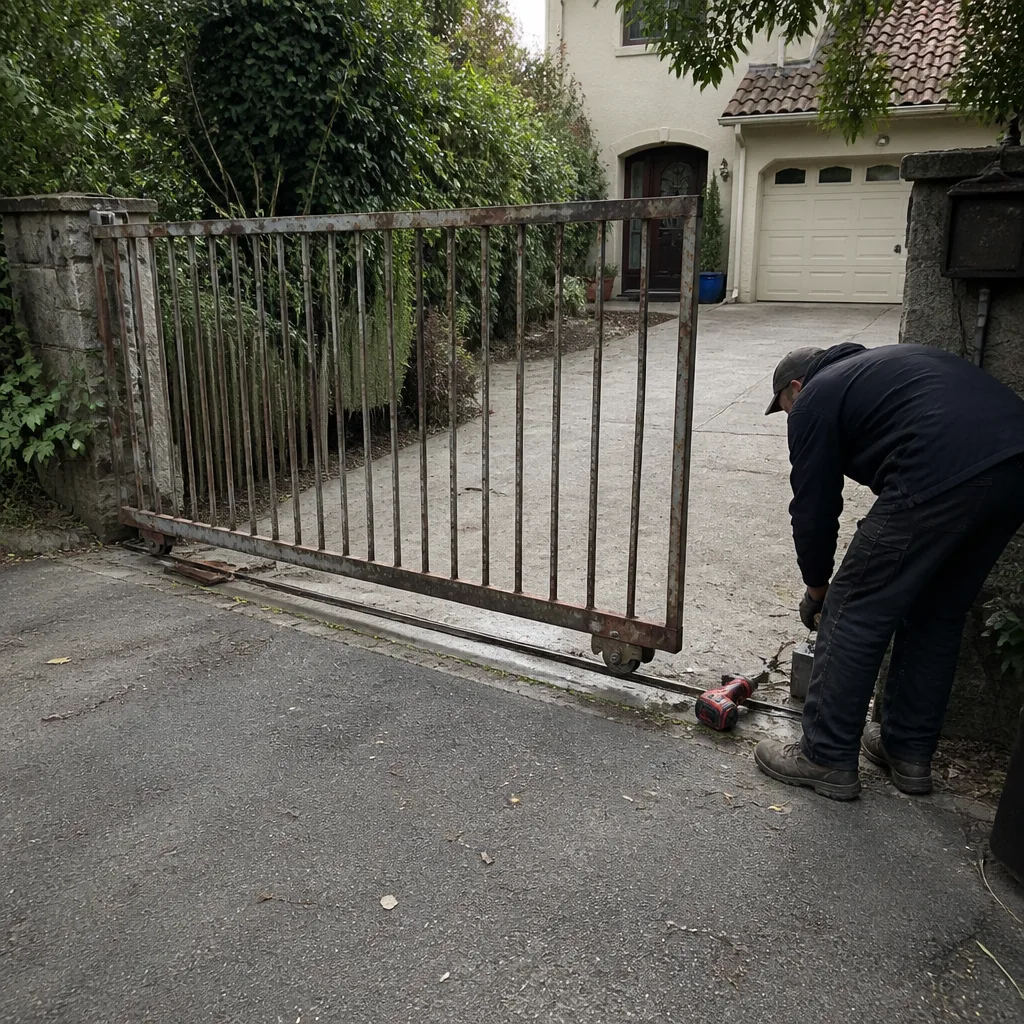 Before
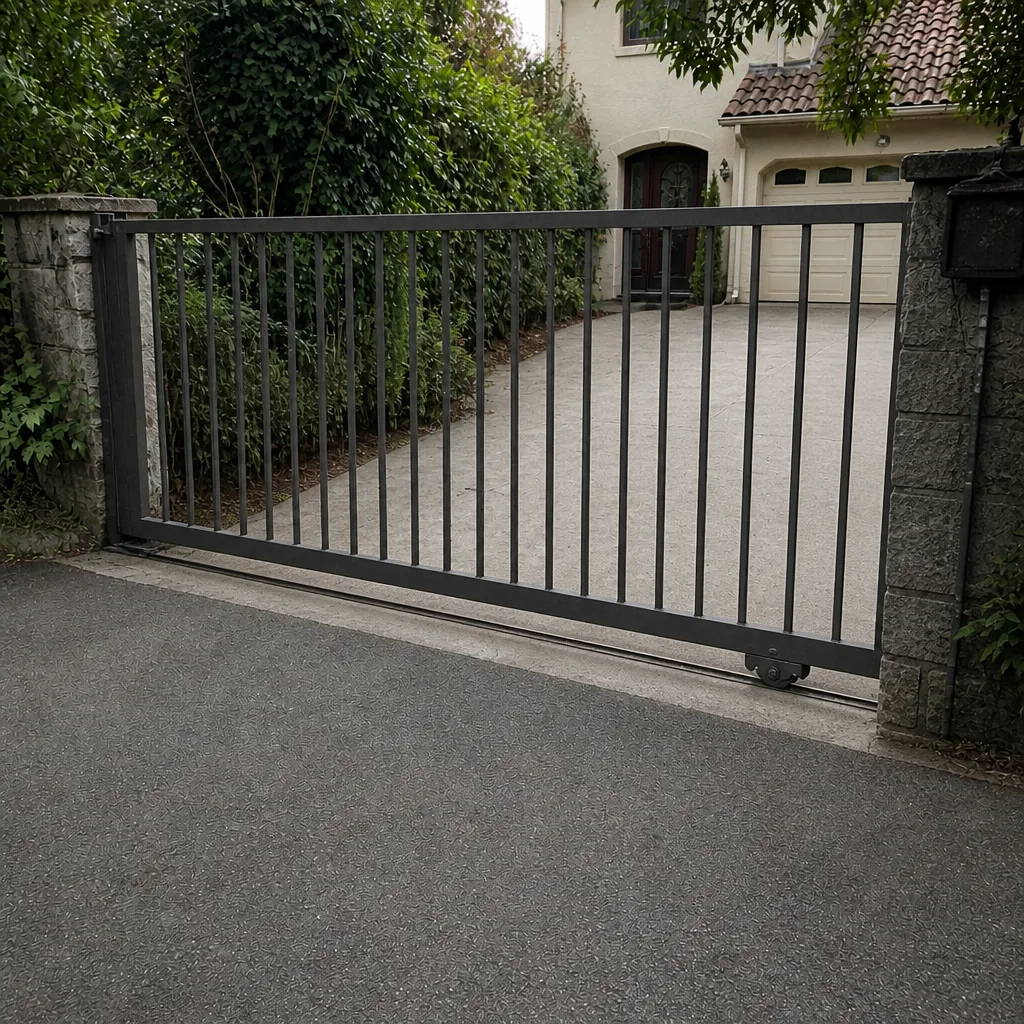 After
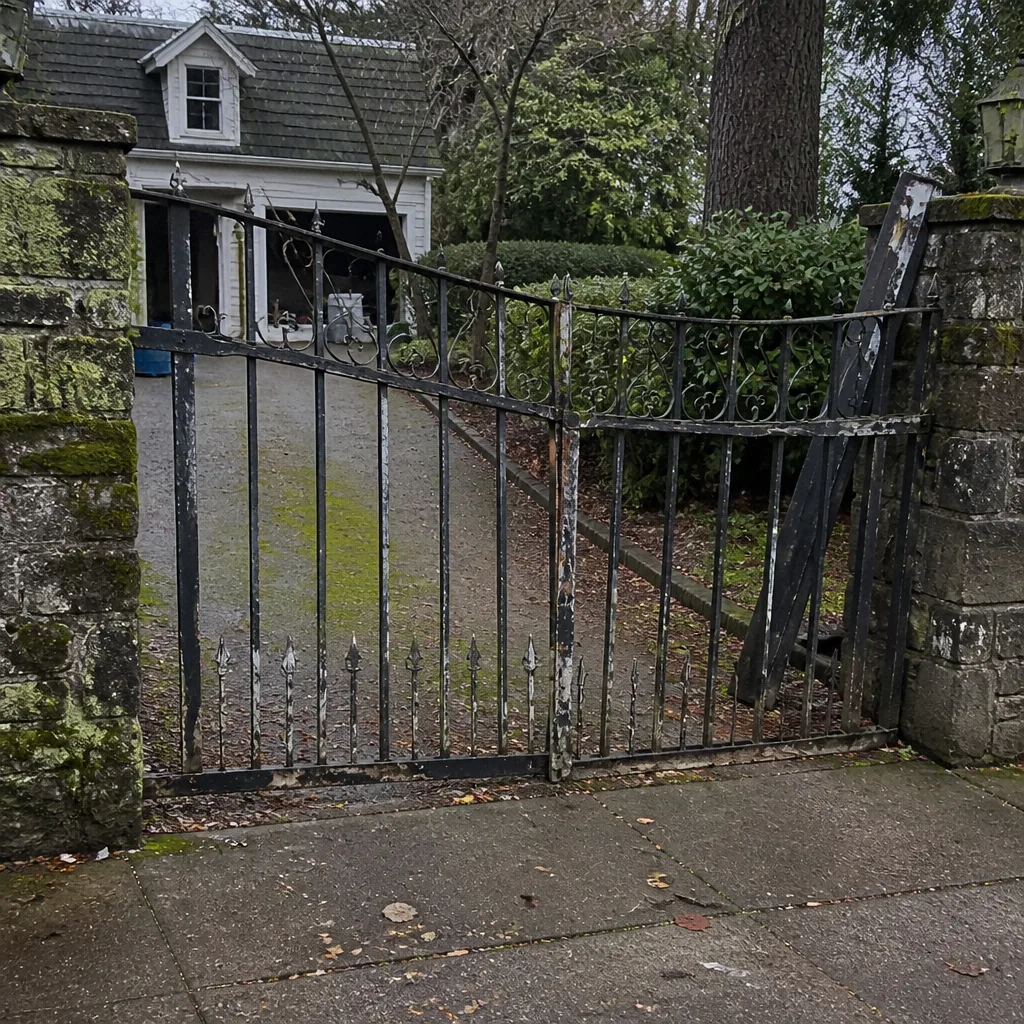 Before
 After
 Before
 After
Common Mistakes to Avoid
- Treating a repair as an alteration, or the reverse. The first moves the project to a whole new permit path. The second leaves unpermitted structural work on the property. Know which one your job is before the first post is set.
- Ordering a gate or post before HOA design review. Eastmoreland’s overlay can require a different finish, material or height, and the gate that arrives in the driveway often isn’t the one that gets approved.
- Installing an operator without secondary entrapment protection. A new motor and no photo eyes or gate edge sensor is the most common UL 325 deficiency on residential automated gates, and it’s a safety issue, not a paperwork one.
- Skipping the electrical permit for a new circuit. A new utility feed or 120-volt circuit to the operator is electrical work, and doing it without the permit creates the exact paper trail problem that shows up at resale.
- Assuming the city permit covers the HOA, or the HOA covers the city. They’re separate approvals with separate timelines in Eastmoreland. Get both before the build.
- Ignoring the operator’s UL 325 class when replacing a motor. A residential-grade operator swapped for a different class can leave the gate’s safety devices mismatched. Replace the operator and devices as one specification, not one item at a time.
- Letting unpermitted work go undocumented before listing. At resale, the gate becomes a title and insurance question. A short written record of the permit or exemption is what the listing agent needs.
When to Call a Professional
Call a professional when the gate involves structure or electricity, and when the paperwork is unclear. New posts or footings, a relocated opening, a new electrical run to the operator, and any automated gate with missing safety devices are all jobs that need a trained technician and, in most cases, a permit. If you’re buying an Eastmoreland home with a gate and can’t confirm the permit history, or if an existing operator is paired with a set of safety devices that aren’t compatible with it, that’s a professional first look before you spend anything. Gate Repair Eastmoreland offers free estimates in Eastmoreland. Call (888) 839-4209. We answer 24/7. Fast dispatch from 7am to 7pm, Sunday through Friday. The estimate is free and the price is set per job by the written estimate. We work on your brand, from residential-grade operators like Viking and Ghost Controls to BFT and DoorKing systems on larger Eastmoreland properties.
Frequently Asked Questions
Usually no. Replacing a failed motor or control board on an existing gate is maintenance, not structural change, and maintenance doesn’t require a building permit in Portland. The exception is when the motor replacement also adds a new electrical circuit or changes the gate’s structural attachment. If you’re not sure which side of the line your job falls on, ask Portland’s permitting office with the scope in hand. Call (888) 839-4209 for a free estimate before you order parts.
A repair restores the gate to its existing state. An alteration changes the footprint, height, footprint location or attachment. New posts and footings, relocated gate openings, and gates taller than the zone allows are the most common alterations in Eastmoreland. If the scope touches the ground or the structure, assume it needs a permit until the city says otherwise. When in doubt, call us at (888) 839-4209 and we’ll help you scope it correctly.
Often yes, and the HOA review typically comes first. Eastmoreland’s HOA overlay and historic design review layer sit on top of the city permit, and the HOA guideline can dictate material, finish and height. The city permit doesn’t substitute for the HOA approval, and the HOA approval doesn’t substitute for a building permit. Get both in writing before ordering the gate. For a scoping walk-through, call (888) 839-4209.
Missing secondary entrapment protection is the most common flag on an automated gate inspection. After that, it’s height and footing mismatches against the approved plan, electrical work without a permit, and a missing warning placard or a manual release that doesn’t function. These are all fixable, and a trained technician can check them before the inspector arrives. Call (888) 839-4209 for an inspection-readiness assessment.
Typically yes. A gate controlling access to a multi-unit or commercial property is scoped as an access control installation, not a residential repair, so the permit and inspection picture is different from a single-family driveway gate. The operator class also changes; DoorKing and FAAC systems at a shared entry aren’t held to the same assumptions as a residential Mighty Mule or Ghost Controls operator. Call (888) 839-4209 to scope the job before the plan is filed.
Pull the permit history, document the current gate with photos and dimensions, verify the safety devices are UL 325 compliant for the operator, and either file for a permit or obtain a letter from the city confirming the work is exempt. Disclose accurately in the listing and keep the records with the property file. A gate that’s been checked and documented sells more cleanly than one that hasn’t. Call (888) 839-4209 for a pre-listing gate assessment.
The Bottom Line
Most gate repair in Eastmoreland doesn’t need a city permit, but any change to the gate’s structure, height, location or electrical service does, and Portland’s rules treat a shared access entry differently from a single-family driveway. Automated residential gates also need UL 325 safety devices that match the operator class, and Eastmoreland’s HOA and historic design review layer sits on top of the city permit as a separate approval. Do the HOA review first, ask the city with a written scope, specify the operator and safety devices together, and document whatever ends up on the property. That sequence is what keeps a gate project out of re-work and keeps the paperwork clean at resale.
If you’re not sure which path your Eastmoreland gate project is on, or you’re staring at a gate someone else installed without the paperwork, the fastest way to a straight answer is a call. We work on your brand across the full gate system, from the motor to the keypad, on residential and commercial properties. Call (888) 839-4209 for a free estimate. We answer 24/7. Fast dispatch from 7am to 7pm, Sunday through Friday. The written estimate sets the price, and it’s quoted and agreed before any work starts.
Written by the team at Gate Repair Eastmoreland.