
Last updated November 25, 2026
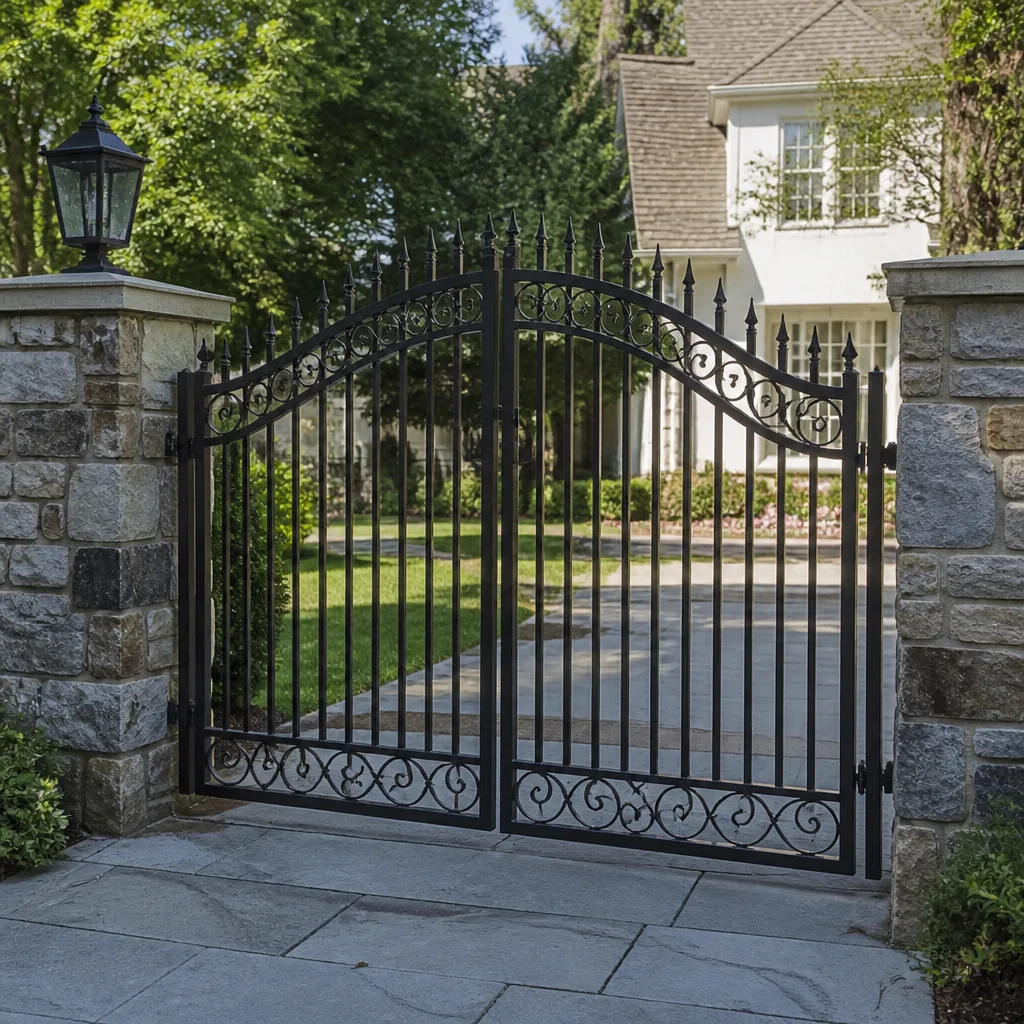 Wrought iron
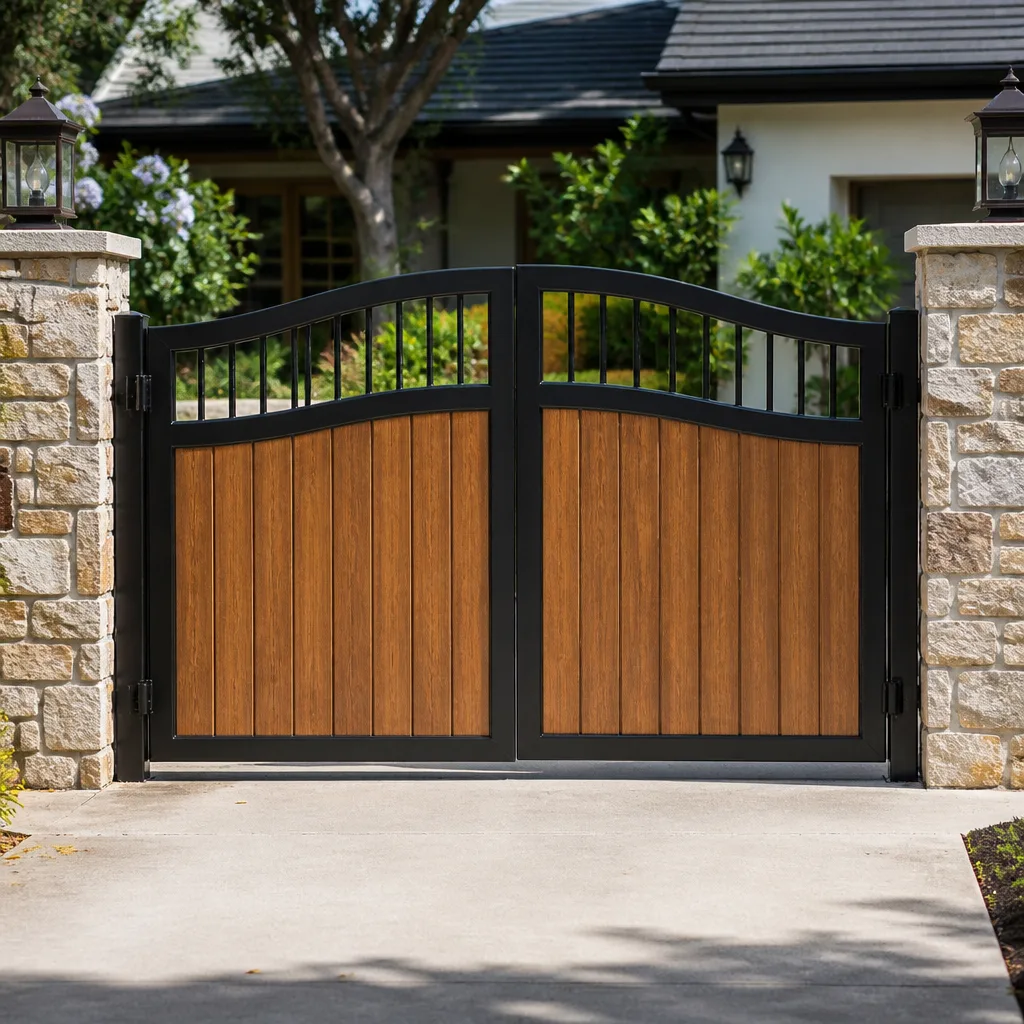 Wood & steel frame
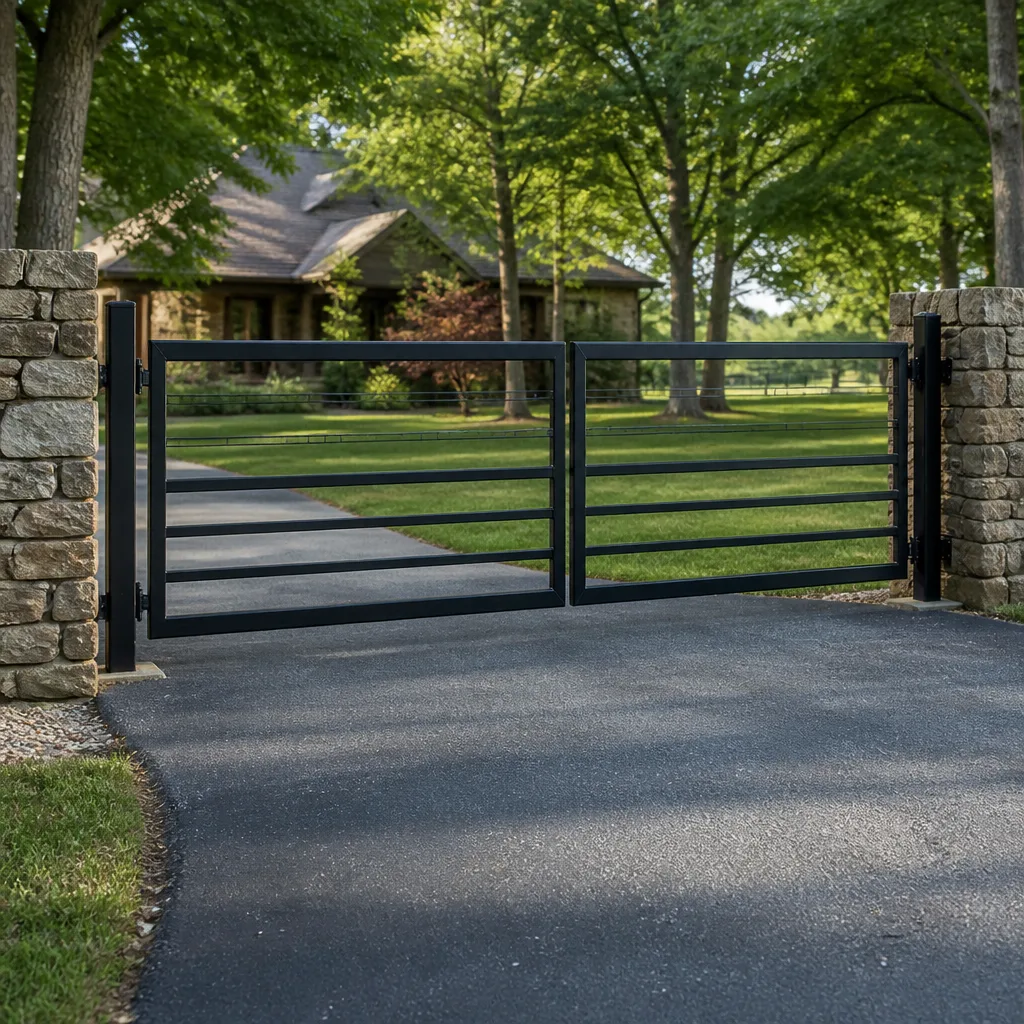 Farm & ranch
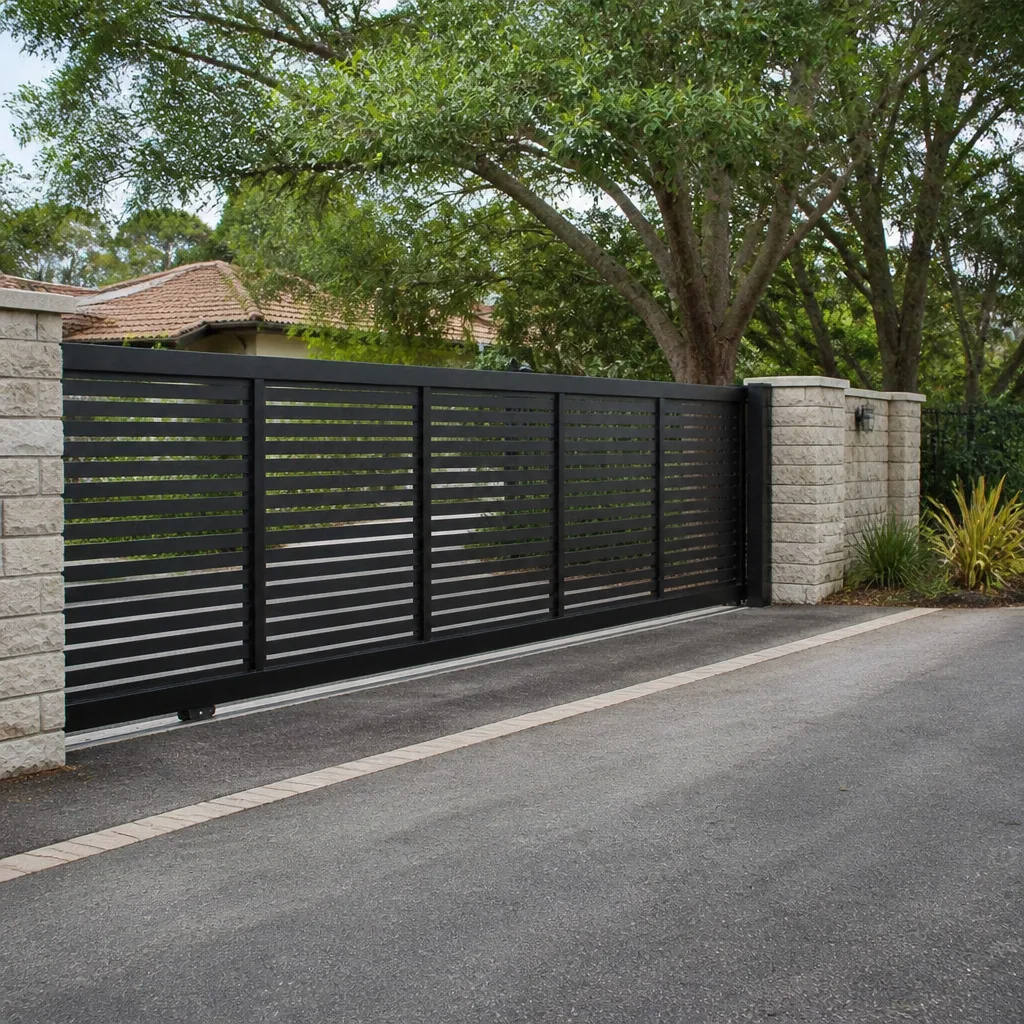 Sliding driveway gates
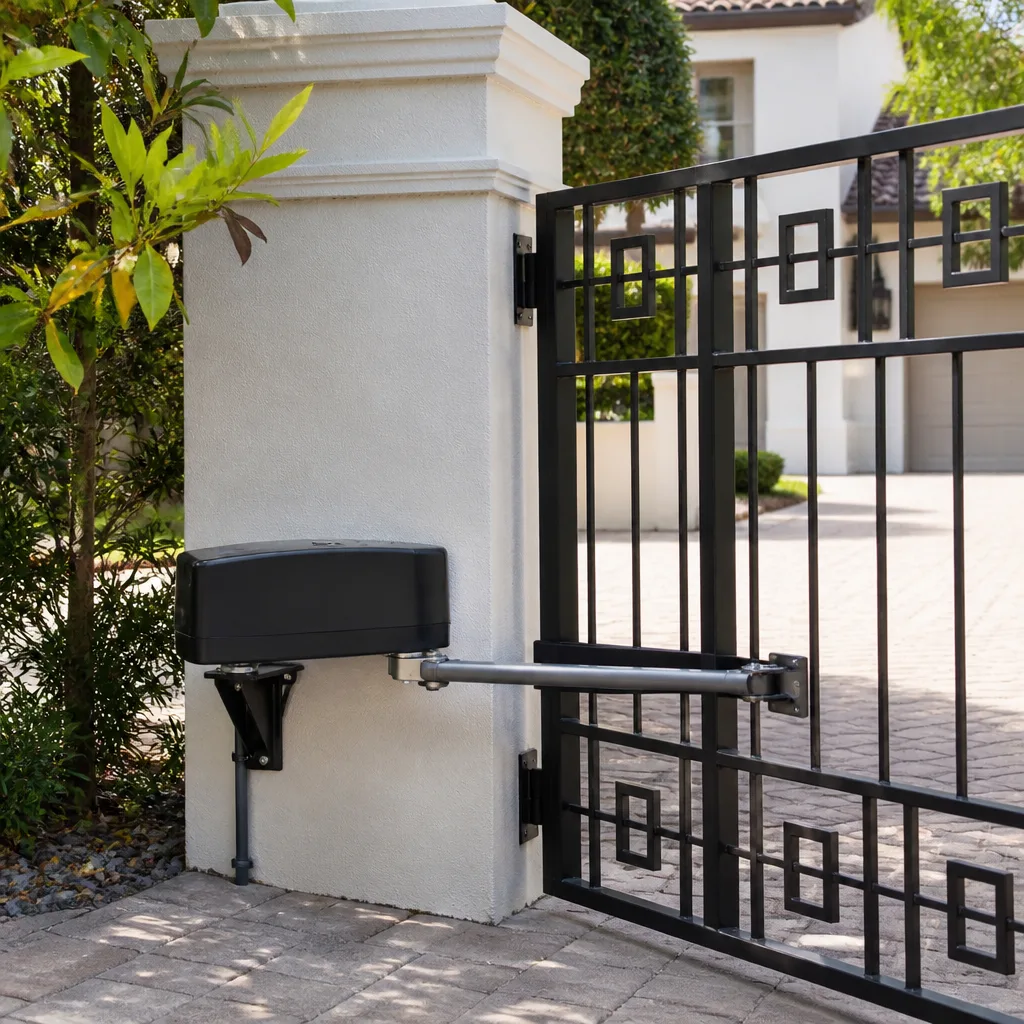 LiftMaster operators
Free on-site gate assessment - hinges, posts, and your LiftMaster or Nice gate operator checked before anything is quoted
The assessment is free and the quote is the invoice.
Get your free estimateGate Repair Emergency Preparedness Guide for Eastmoreland Homes
Here’s the part most gate owners get wrong: they think they have one emergency, when they actually have two. A gate stuck open is a security problem, and a gate stuck closed is an access problem. The two demand opposite responses, and the homeowners who handle either one well are the ones who planned for it before anything broke. If your automated gate lost power right now and you’ve never located the manual release, you won’t find it calmly during a crisis. Most operators hide that release somewhere that needs a key, a flashlight, and prior knowledge of your specific unit. This guide covers the Eastmoreland-specific version of that plan.
Quick Answer
Gate repair emergencies in Eastmoreland almost always come down to knowing two things before the failure: where your operator’s manual release is and how to use it, and whether you should secure the opening or clear the driveway. If the gate is stuck open, secure the property and call for repair. If it’s stuck closed, use the manual release to get vehicles through without forcing anything. Call (888) 839-4209 for a free estimate. We answer 24/7. Fast dispatch from 7am to 7pm, Sunday through Friday.
Styles & brands we work with
- Wrought iron
- Wood & steel frame
- Farm & ranch
- Sliding driveway gates
- LiftMaster operators
Table of Contents
- Why Two Kinds of Gate Failure Need Two Different Plans
- How to Find and Use the Manual Release on Common Eastmoreland Operators
- The Stuck-Open Protocol: Securing Your Property While You Wait
- The Stuck-Closed Protocol: Getting Vehicles Out Without Damage
- What to Tell the Technician So We Arrive With the Right Parts
- The Pre-Emergency Checklist for Eastmoreland Gate Owners
- For HOAs and Property Managers: A Building-Level Plan
- Eastmoreland Weather, Trees, and What Fails First
Why Two Kinds of Gate Failure Need Two Different Plans
The single most common mistake we see during gate repair calls isn’t a technical one. It’s that the homeowner reacted to the wrong problem. A gate that won’t close is a security situation. Your first move is containment. A gate that won’t open is an access situation. Your first move is to free the driveway. Treating them the same way usually makes both worse.
Eastmoreland lots sit behind mature Douglas firs and broadleaf trees, and a driveway gate here frequently protects a side yard, a detached garage, or a rear entrance facing an alley. That layout shapes what “stuck open” means. On a property where the gate opens onto a street, a stuck-open gate broadcasts that nobody is home and the driveway is available. On a property where the gate closes off a rear alley entrance, a stuck-open gate may be a lower-stakes inconvenience. Knowing which opening you’re actually dealing with is step one.
The two protocols share a single rule: don’t force the gate. A gate panel weighs far more than it looks, and a slide gate that comes off its track under a push can crush a hand or a fender. What’s dangerous on any gate is the operator’s wiring and power, a heavy panel in motion, and a sliding gate that jumps its track. If any of those are involved, stop and call.
What to learn before anything fails:
- Whether each opening is a swing gate or a slide gate
- Which side the operator sits on (a pedestrian gate may share the operator, or not)
- Where the manual release is, and whether it needs a key
- Whether closing the gate leaves your vehicle trapped or lets it out
How to Find and Use the Manual Release on Common Eastmoreland Operators
Every automated operator built for a residential driveway has a manual release that lets you move the gate by hand when the power fails or the motor jams. It’s the single most useful thing you can locate today. The release location and type vary by brand, and that’s the reason homeowners often can’t find it in a hurry.
On LiftMaster residential operators, the manual release is usually a lever or handle near the motor housing on the arm. You pull or disengage it to free the arm from the gate, then the gate swings by hand. Many models use a bypass key that unlocks a small cover access. A bypass key isn’t a security override for the property. It’s a mechanical key that lets you get to the release mechanism so you can disengage the operator without tools. If you’ve been handed a key at move-in and never learned what it does, that’s the one.
Mighty Mule operators commonly place the release on the operator arm as well, with a pin or handle you remove or lift so the arm disconnects from the gate leaf. Viking units, which show up on a lot of Eastmoreland residential swing gates, use a release key or handle on the operator housing. Slide gate operators vary more: some have a hand-crank or a chain-hoist release, and some require you to access a release on the operator itself rather than the gate. On commercial-grade platforms like DoorKing, the release may sit inside the operator housing and require a key to open the cover first.
How to learn yours in five minutes:
- Stand at the operator and find the housing and the arm or track connection.
- Look for a keyed cover, a lever, a pin, or a handle. Photograph it.
- With the gate powered and closed, test the release only if you’re comfortable – if not, leave it and have a technician walk you through it during a routine visit.
- Store the release key somewhere you can reach it without a flashlight in the dark, and keep a duplicate.
- Write down the operator model and motor serial from the housing label.
If you’re unsure which release type you have, a routine service call is the right time to get it explained. Our technicians have up to 15 years of experience, and we work on your brand rather than reading the manual on your driveway.
The Stuck-Open Protocol: Securing Your Property While You Wait
A gate stuck open is a security situation, and the first goal is to close the opening or make it look closed while you wait for repair. Resist the urge to force the gate shut against a jammed operator. Pushing a panel against a locked operator can bend the arm, strip the operator gear, or knock a slide gate off its track, which turns a repair into a replacement.
Steps that make a stuck-open gate safer without causing damage:
- Cut power at the operator switch or breaker only if you know where it is and it’s safe to reach. Never reach into the operator housing.
- Engage the manual release as described above so the gate is free rather than fighting the motor.
- Close the gate by hand if the release allows it, and prop or chock the panel so it holds.
- If you can’t close it, create a visible barrier – a temporary chain across the opening or a vehicle parked across the driveway – so the opening isn’t obviously open.
- Move valuables and anything of value out of sight of the driveway, and keep interior lights on in the evening as usual.
- Call for repair and tell us the gate type, operator brand, and whether the panel is a swing or slide gate.
Don’t wedge the panel with a brick under a slide gate’s track or a piece of wood between a swing gate and its post for any longer than it takes to call. A temporary prop that seems harmless can scratch or dent the panel, or hold a jammed gate in a way that makes the repair harder.
If the gate is also your vehicle access and the gate is open, you have a choice to make: leave the car outside and secure the opening, or drive through and accept the open gate for now. Decide that before it happens, not during.
The Stuck-Closed Protocol: Getting Vehicles Out Without Damage
A gate stuck closed is an access situation. The gate is working as a barrier, which is fine until someone needs to leave, and that’s when well-intentioned homeowners cause most of the damage. The fix is the manual release, applied calmly, not a car nudging the gate open.
- Stop trying the remote or keypad after two attempts. Repeated activations on a jammed operator stress the motor and the control board.
- Locate and engage the manual release. On most residential swing operators this frees the gate to move by hand.
- Open the gate by hand and hold it clear while vehicles pass. Have a second person watch the panel if you can.
- Disengage the release back to normal if you can, or leave it in manual mode and prop the gate open until repair.
- If a slide gate won’t free up, don’t force it. Call and describe exactly how it’s stuck – jammed at one end, partway open, or refusing to move at all.
- Keep the driveway clear of the gate’s travel path in case it drops or shifts while you’re working around it.
On a slide gate, the front and rear tracks hold a heavy panel in place. If the gate appears off the track or leaning, that’s a call-us-now situation, not a push-it-back situation. A slide gate that’s about to come off its track is one of the genuinely dangerous conditions on any gate, along with the operator’s power wiring and any heavy panel that could swing or drop.
If the gate is on a property where the operator also controls a keypad or intercom for guests or a home business, tell the technician that when you call. Access control wiring sometimes shares a fault with the operator, and knowing what else is on the circuit saves a second visit. From the motor to the keypad, that’s the kind of thing a gate-only specialist checks first.
What to Tell the Technician So We Arrive With the Right Parts
The call that gets a gate fixed fastest isn’t the first one. It’s the one with the right six details. Give us these and we can usually tell before we arrive whether the job is a control board, a motor, a limit switch, or a mechanical jam, and load the likely parts.
- Operator brand and model. LiftMaster, FAAC, BFT, Linear, Viking, Ghost Controls, DoorKing, Elite, or Mighty Mule. The model number is on the housing label.
- Gate type. Single swing, double swing, slide, or a pedestrian gate tied to the operator.
- What the gate is doing. Stuck open, stuck closed, opening partway, reversing, making a new noise, or dead with no lights on the operator.
- What you’ve already tried. Remote, keypad, app, manual release, breaker. Tell us if the manual release worked.
- What changed just before it failed. A power outage, a storm, a new keypad code, a bumped post, or nothing at all.
- Access details. Where to park, whether a side pedestrian gate is open, and whether the driveway is narrow or gated on both ends.
Photograph the operator label and the fault the moment it happens, before you do anything else. That one photo answers half the call.
Brand matters because diagnosis follows brand logic. A Viking operator behaves differently from a Ghost Controls unit, and the fault patterns differ between residential-grade systems and commercial-grade platforms like DoorKing. We work on your brand, and that’s the whole reason we keep a gate-only focus rather than splitting our skills across other trades.
The Pre-Emergency Checklist for Eastmoreland Gate Owners
This is the list to work through on a calm afternoon, not during a jam. Every item on it costs nothing but an hour and saves real time and cost when the gate fails.
Document the system
- Photograph the operator label: brand, model, and motor serial.
- Photograph the control board and where the wires land on it, if the cover opens safely.
- Note the number of remotes and where each one lives.
- Note the keypad or access code process. Write down how to add and remove a code, without writing the code itself.
- Photograph the gate panel from both sides, so any future damage is comparable.
Store the essentials
- The manual release key, on a marked hook inside the house, plus a duplicate in a vehicle.
- A small labeled flashlight kept near the release.
- A copy of this guide or your own written one-page plan, in the same drawer as the key.
Know your options
- Identify the release type and confirm you’ve operated it once.
- Confirm whether closing the gate by hand leaves you able to drive out.
- Agree with your household who calls for repair and where the call goes.
- Keep the number saved: (888) 839-4209. We answer 24/7. Fast dispatch from 7am to 7pm, Sunday through Friday.
The estimate is free and the price is set per job by the written estimate. Keep a printout with the checklist so nobody argues about cost at 8pm on a Sunday.
For HOAs and Property Managers: A Building-Level Plan
If you manage gated access for an Eastmoreland property, the emergency plan looks different from a single-home plan. You’re responsible for several households’ security and a shared access point, and the failure mode isn’t usually one gate. It’s an access code that nobody can override, or an operator fault that strands the whole driveway while the panel decides whether it wants to close.
What a usable building-level plan covers:
- One named contact per property who calls for repair, and a backup.
- A written copy of every current access code’s owner, kept securely, so a lost keypad code doesn’t require a full reset at a bad moment.
- The operator brand and model for each opening, plus the commercial-grade platforms clearly flagged. DoorKing and Elite systems behave differently from residential operators and need different parts.
- A written procedure for a stuck-open gate that includes a temporary barrier and a security check of common areas.
- A written procedure for a stuck-closed gate that covers resident notification and how visitors enter.
- For commercial entry points, a check that the operator’s safety edges and reversal are working: those are the parts that protect someone walking or driving through, and they should be tested on a routine visit, not during an emergency.
Electric gate motor & opener systems in multi-unit settings share failure patterns with residential ones, but the consequences are bigger because more people are affected. If the property has a gate install due for replacement, plan the gate installation as a scheduled project with a free measure and a written price rather than an emergency swap. That’s a call for a weekday, not a Sunday.
Eastmoreland Weather, Trees, and What Fails First
Eastmoreland runs on older, tree-heavy lots, and the local weather pattern sets the repair calendar more than brand does. Our long wet stretch from late fall into spring matters to a gate far more than a dry summer does. Wooden panels swell and bind. Metal panels hold water in joints and drip it into the operator housing. Posts settle under the weight of wet soil, which throws a gate panel slightly off level, and then a limit switch stops making contact where it used to.
What tends to fail first in Eastmoreland:
- Track and hinge alignment on gates under mature trees, where panel swelling and post movement combine.
- Operator housings with water intrusion after heavy rain, which shows up as a dead operator or an erratic one.
- Battery backup in residential operators that quietly drain over a wet winter, so a power cut finds you with no release of any kind.
- Falling limbs and tree debris fouling a slide gate’s track or a swing gate’s path.
- Gate posts sinking or leaning after a wet season, which misaligns an otherwise healthy operator.
The takeaway for emergency planning is simple: check the gate after every big storm, and clear leaves and debris from the track or underside before it jams. If the gate has been sluggish for weeks, that’s the pre-failure signal. A gate that hesitates in the rain usually has a mechanical binding problem, not a dead motor, and fixing the binding is cheaper than replacing the motor.
A mechanic’s routine check after a wet season isn’t a maintenance plan. It’s a one-time visit priced per job once we look at the gate, and it’s worth booking on a weekday before anything fails.
Common Mistakes to Avoid
- Forcing a jammed gate by hand. Pushing a panel against a locked operator can bend the arm, strip the operator gear, or throw a slide gate off its track. A jam is a release-it-by-hand situation, not a shove-it situation.
- Not knowing where the manual release is until you need it. The release key, the release type, and the light you’ll need are worth one calm afternoon, not a panicked dark one.
- Repeatedly pressing the remote on a dead operator. A handful of attempts is normal; a dozen stresses the control board and can turn a cheap repair into an expensive one. After two tries, switch to the manual release and call.
- Reaching into the operator housing to “check the wiring.” The operator’s wiring and power are the genuinely dangerous part of any gate. That’s a job for a trained technician, not a flashlight and a screwdriver.
- Wedging a slide gate with a brick under the track. A prop can dent the panel or hold a jammed gate in a way that complicates the repair. Use the release instead.
- Calling with no operator details. Arriving with the right parts depends on knowing the brand, model, and what the gate is doing. A photo of the operator label cuts the guesswork.
- Assuming all gates fail the same way. A stuck-open gate is a security problem; a stuck-closed gate is an access problem. Reacting to the wrong one wastes time and often causes damage.
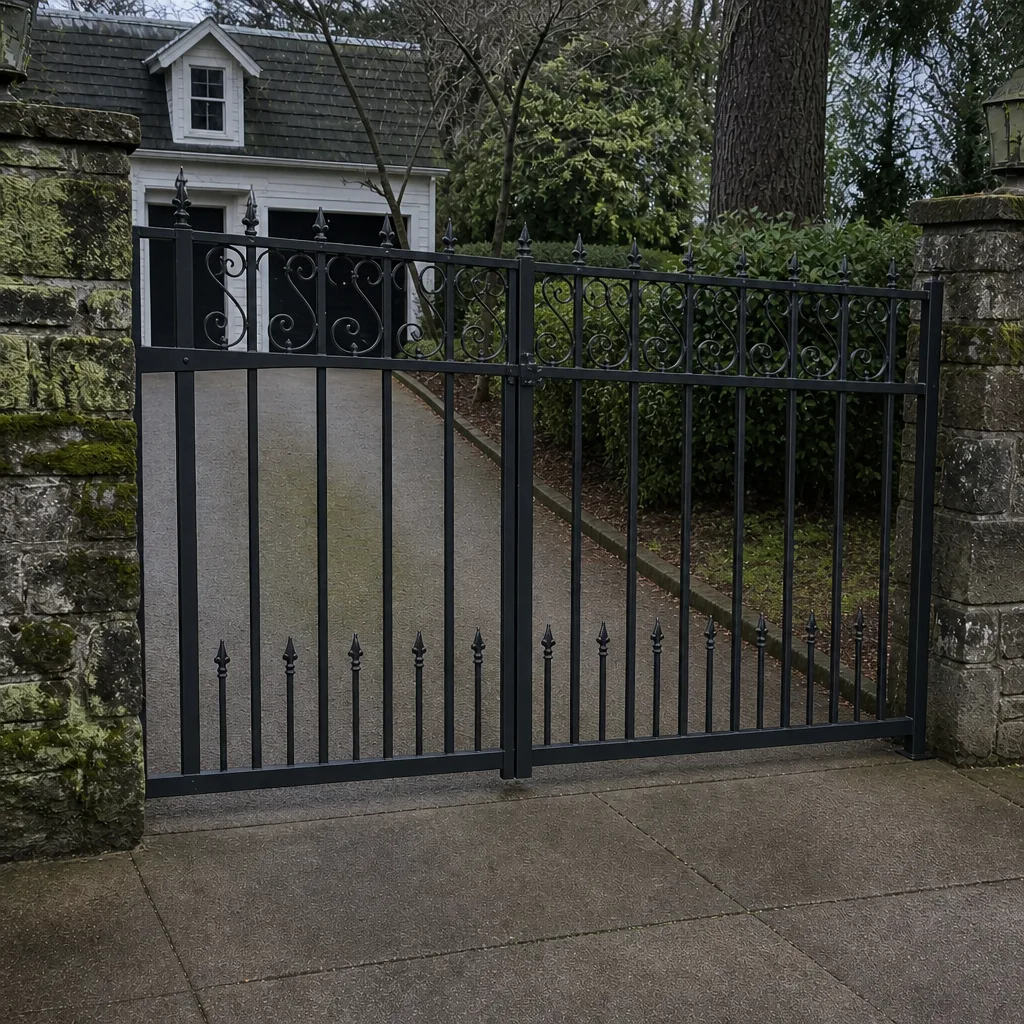
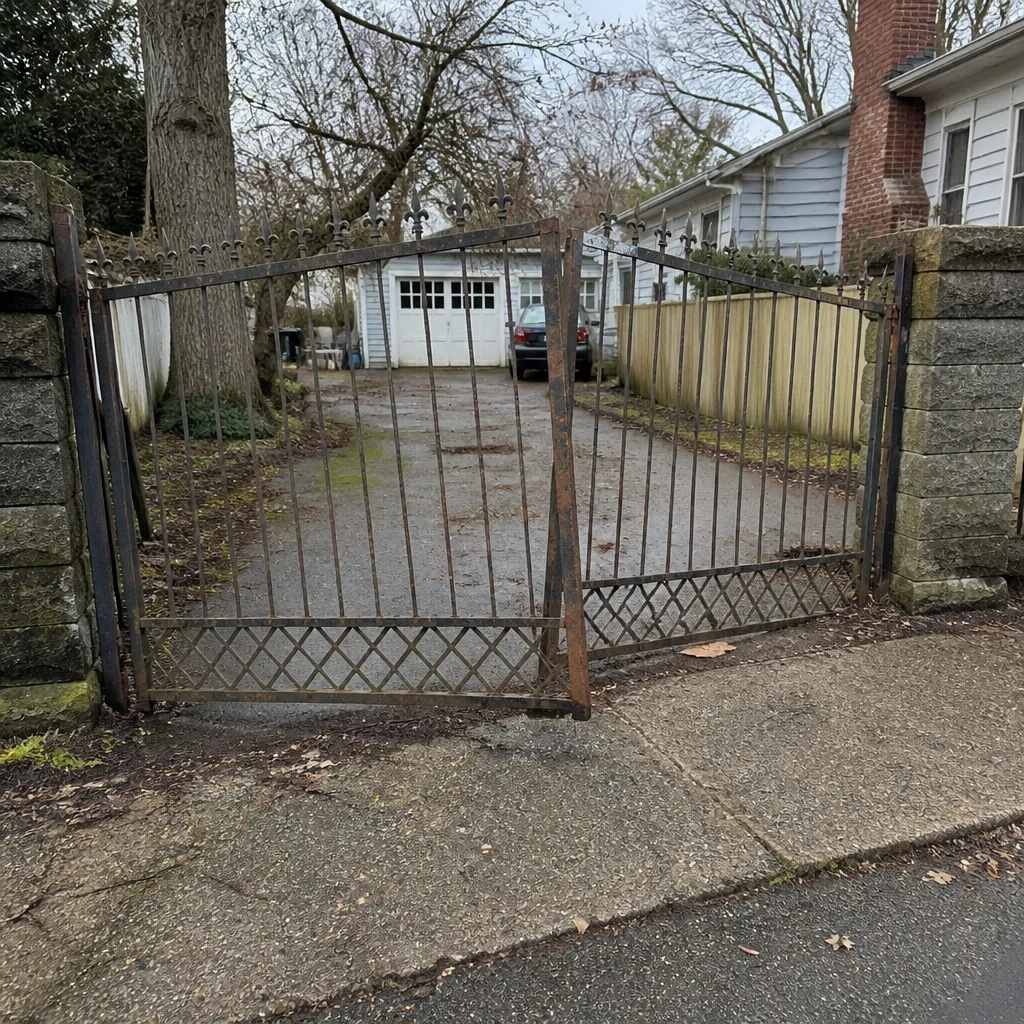
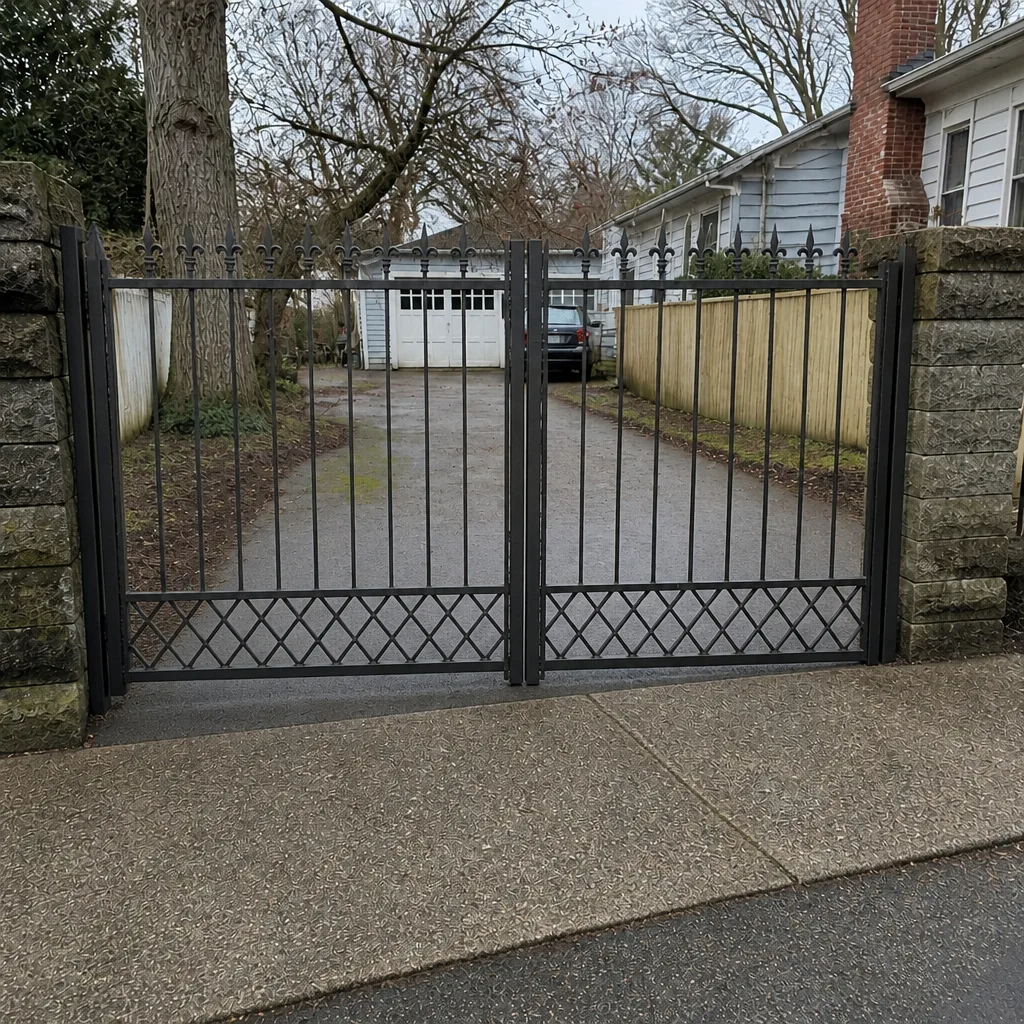
See the difference
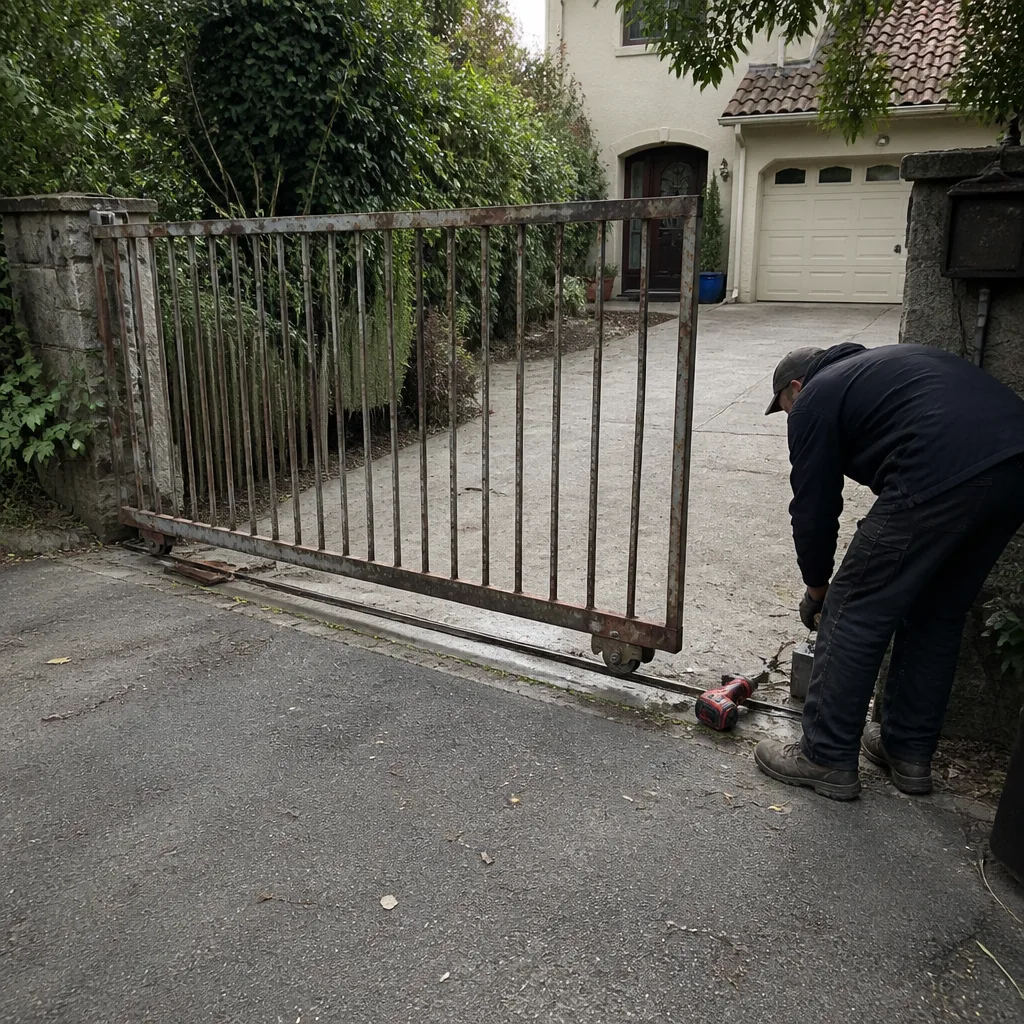 Before
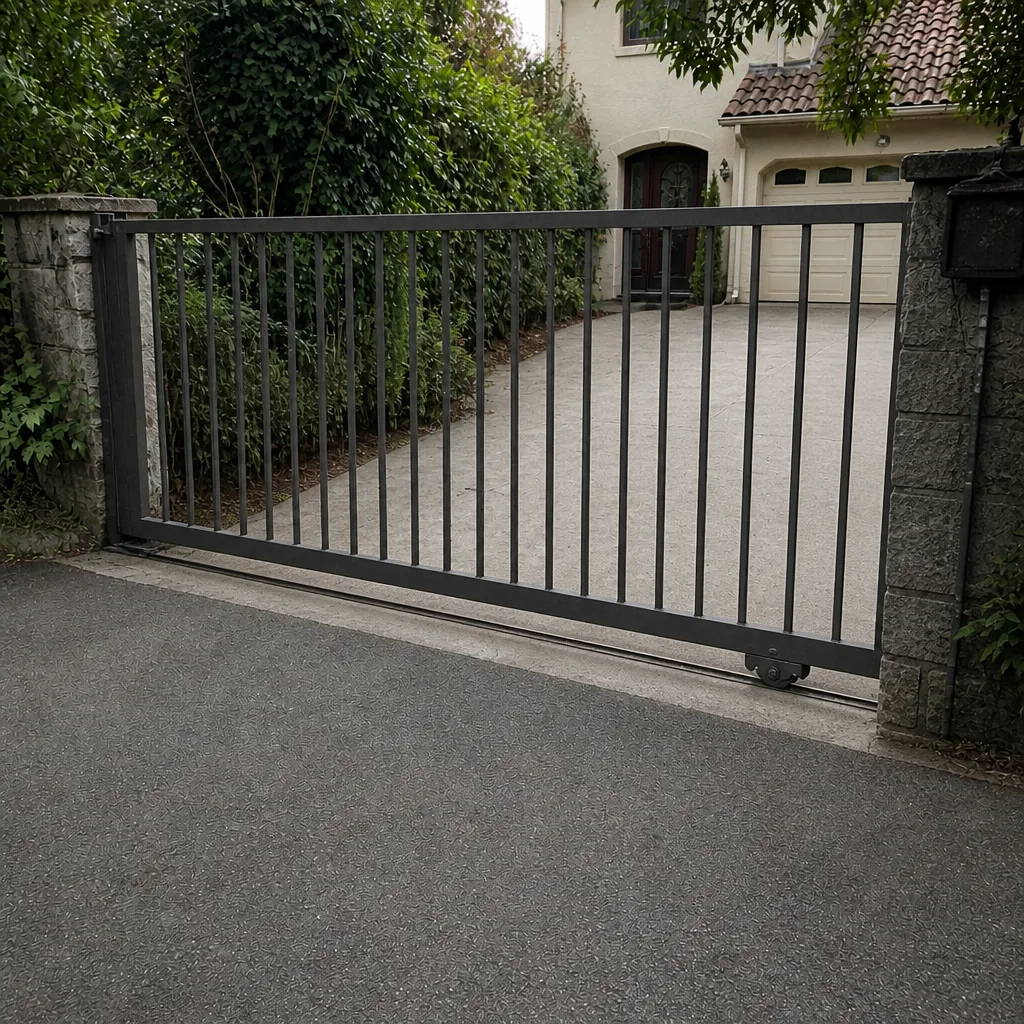 After
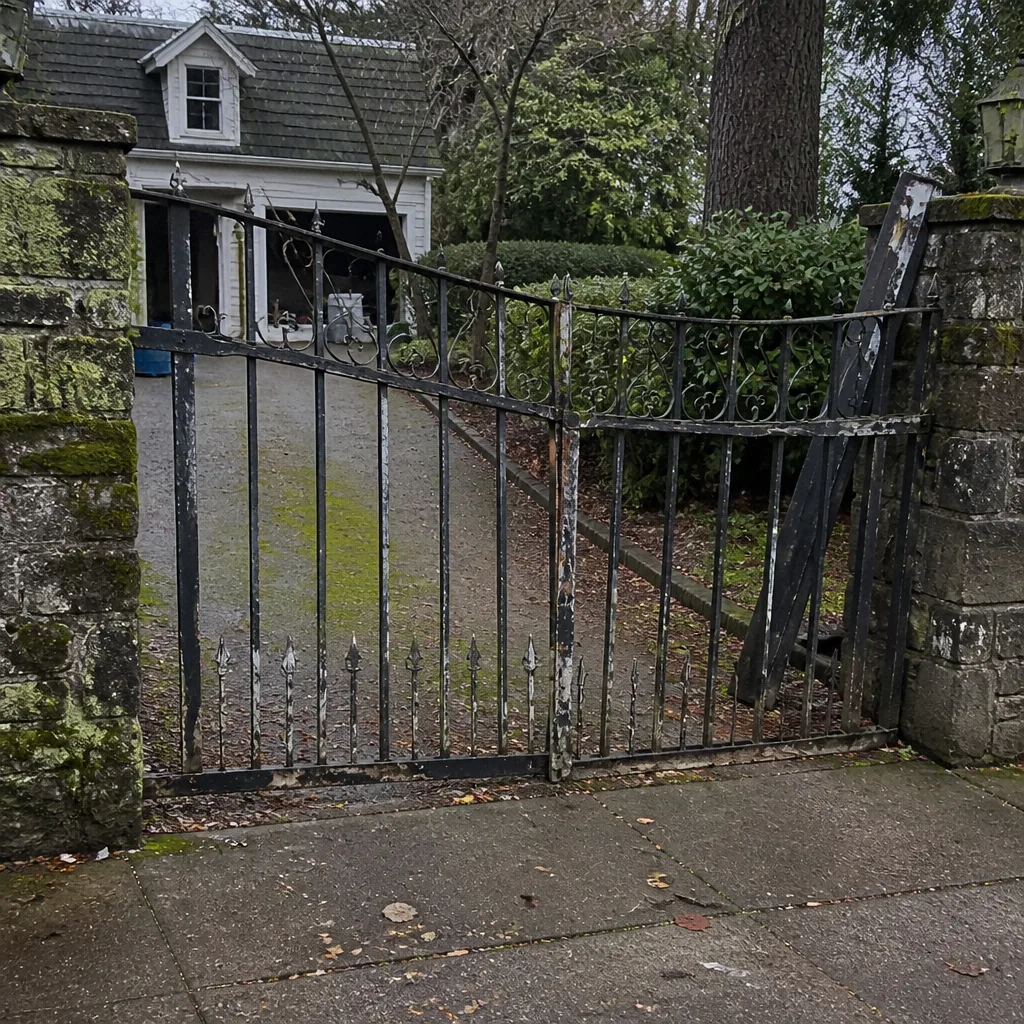 Before
 After
 Before
 After
When to Call a Professional
Call a professional whenever the operator’s power or wiring is involved, whenever a heavy panel is off its track or leaning, and whenever a gate won’t move freely by hand after the manual release is engaged. Those are the situations where a homeowner can get hurt. Call us for a gate that’s dead with no operator lights, a slide gate that jumps or drags its track, an operator that reverses unexpectedly, or an access keypad that’s locked the whole driveway out. Gate Repair Eastmoreland offers free estimates in Eastmoreland. Call (888) 839-4209. We answer 24/7. Fast dispatch from 7am to 7pm, Sunday through Friday, and a call outside those hours is booked into the next opening. The price is quoted and agreed before any work starts, so you know the number before we touch the gate.
Frequently Asked Questions
Call right away if a heavy panel is off its track or leaning, if the operator’s wiring or power is exposed or sparking, if the gate won’t move by hand after the manual release is engaged, or if the gate is stuck open and the opening is your property’s only secure entrance. A stuck-open gate protecting a rear alley is lower priority than a stuck-open gate facing a street. For anything involving power at the operator, keep clear and call. Call (888) 839-4209 for an exact quote and a plan; estimates are free.
On a LiftMaster residential operator it’s usually a lever or handle near the motor housing on the arm, and some models use a bypass key to unlock a small cover. A Mighty Mule operator typically uses a pin or handle on the arm that frees the gate to move by hand. A Viking operator uses a release key or handle on the operator housing. A bypass key isn’t a security code; it’s a mechanical key that gets you to the release. If you can’t find yours, have a technician walk you through it during a routine visit. Call (888) 839-4209 to book one.
Secure the opening first. Engage the manual release so the gate isn’t fighting a jammed motor, then close the panel by hand if the release allows it, or put up a visible temporary barrier and keep valuables out of sight of the driveway. If you can’t close the gate, park a vehicle across the opening as a visible deterrent. Don’t force the panel. For a stuck-open gate in Eastmoreland, call (888) 839-4209 and tell us the operator brand and gate type.
Give us the operator brand and model from the housing label, the gate type, what the gate is doing, what you’ve already tried, what changed just before it failed, and the access details. Photograph the operator label and the fault before you do anything else; that photo answers half the call. Knowing the brand up front matters because we diagnose by brand logic across LiftMaster, FAAC, BFT, Linear, Viking, Ghost Controls, DoorKing, Elite, and Mighty Mule. Call (888) 839-4209 for a free estimate.
We cover the whole system, from the motor to the keypad. That includes low-voltage wiring, control boards, motor and opener work, keypads, intercoms, and access control integration on both residential and commercial gates. An access control fault sometimes shares a circuit with the operator, so when you call, tell us what else is on the gate: keypad codes, intercom, and any app control. Call (888) 839-4209 for an exact quote; estimates are free.
The local professional we connect you with is licensed and insured as their state requires. Ask to see their license when they arrive. You can also check with the city of Eastmoreland or your property manager if you’re not sure what’s required for a gate job on your property. The estimate is free, and the price is agreed in writing before any work starts. Call (888) 839-4209 to book a free estimate.
The Bottom Line
Gate emergencies in Eastmoreland come in two flavors, and the fastest recovery depends on identifying which one you have. A stuck-open gate is a security problem: secure the opening and don’t force the panel. A stuck-closed gate is an access problem: engage the manual release and free the driveway by hand. The work you do before anything fails is what makes both situations manageable. Learn your operator’s release type, photograph the label, store the release key and a flashlight where you can reach them, and keep the repair number saved. From the motor to the keypad, a gate-only specialist can diagnose your brand and get you back to working the same day.
Call (888) 839-4209 for a free estimate. We answer 24/7. Fast dispatch from 7am to 7pm, Sunday through Friday, and a call outside those hours is booked into the next opening. The local pro we connect you with is licensed and insured as their state requires, and the price is quoted and agreed before any work starts.
For everyday gate repair Eastmoreland homeowners rely on, start with the guide above and keep the number handy.
Written by the team at Gate Repair Eastmoreland.