
Last updated November 25, 2026
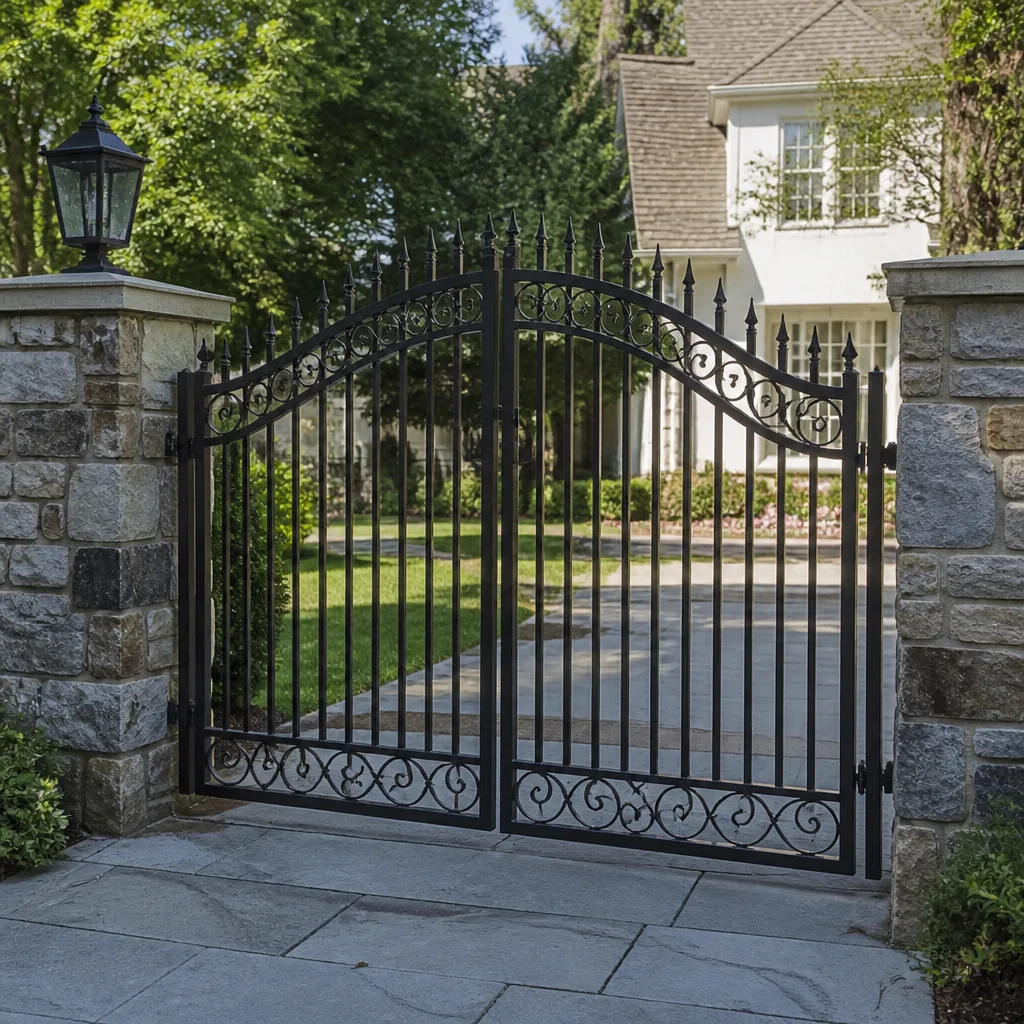 Wrought iron
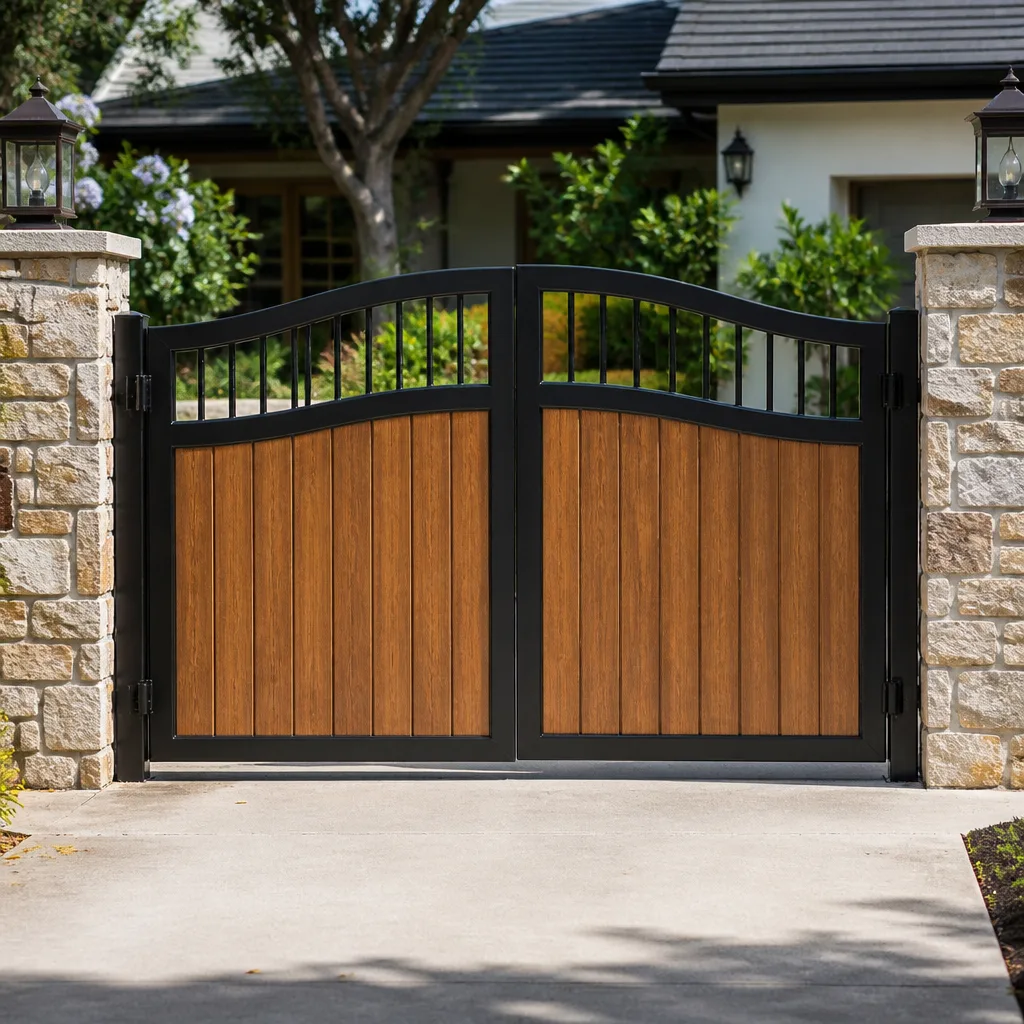 Wood & steel frame
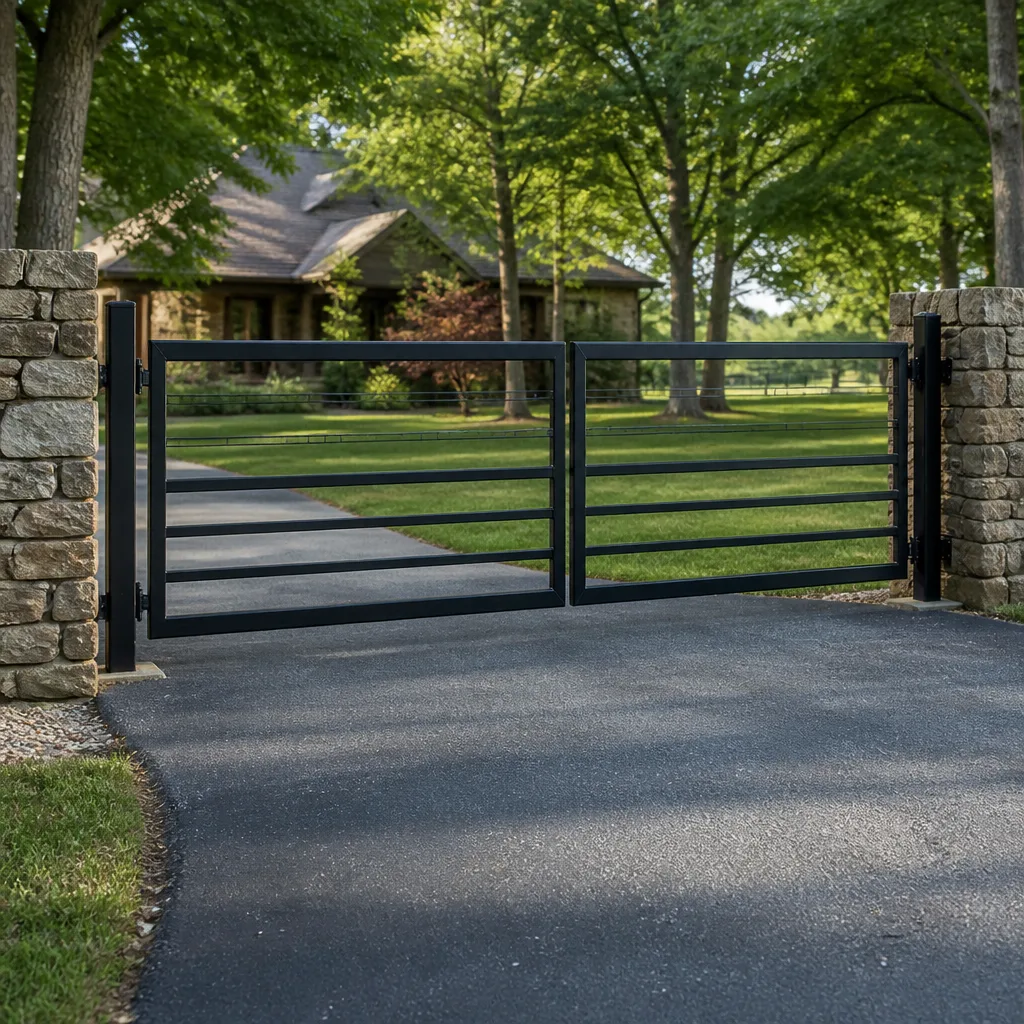 Farm & ranch
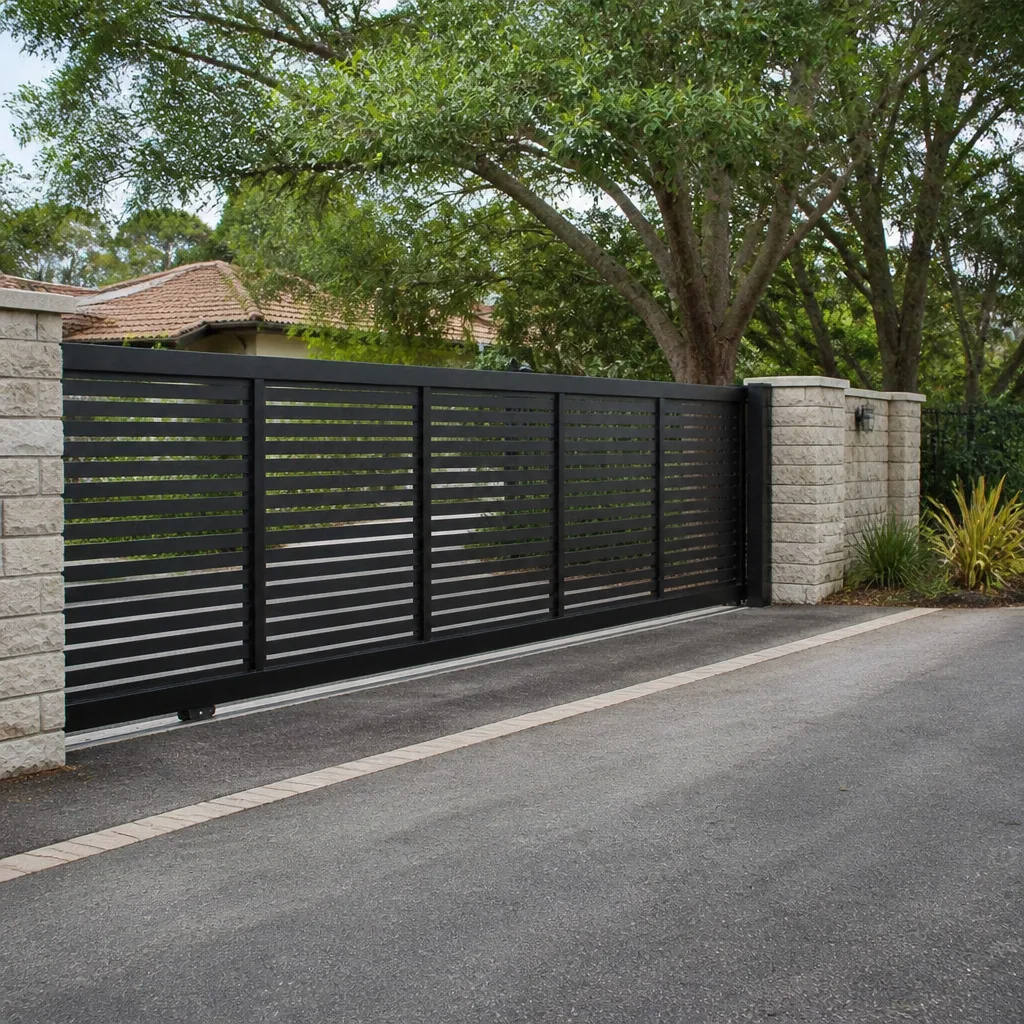 Sliding driveway gates
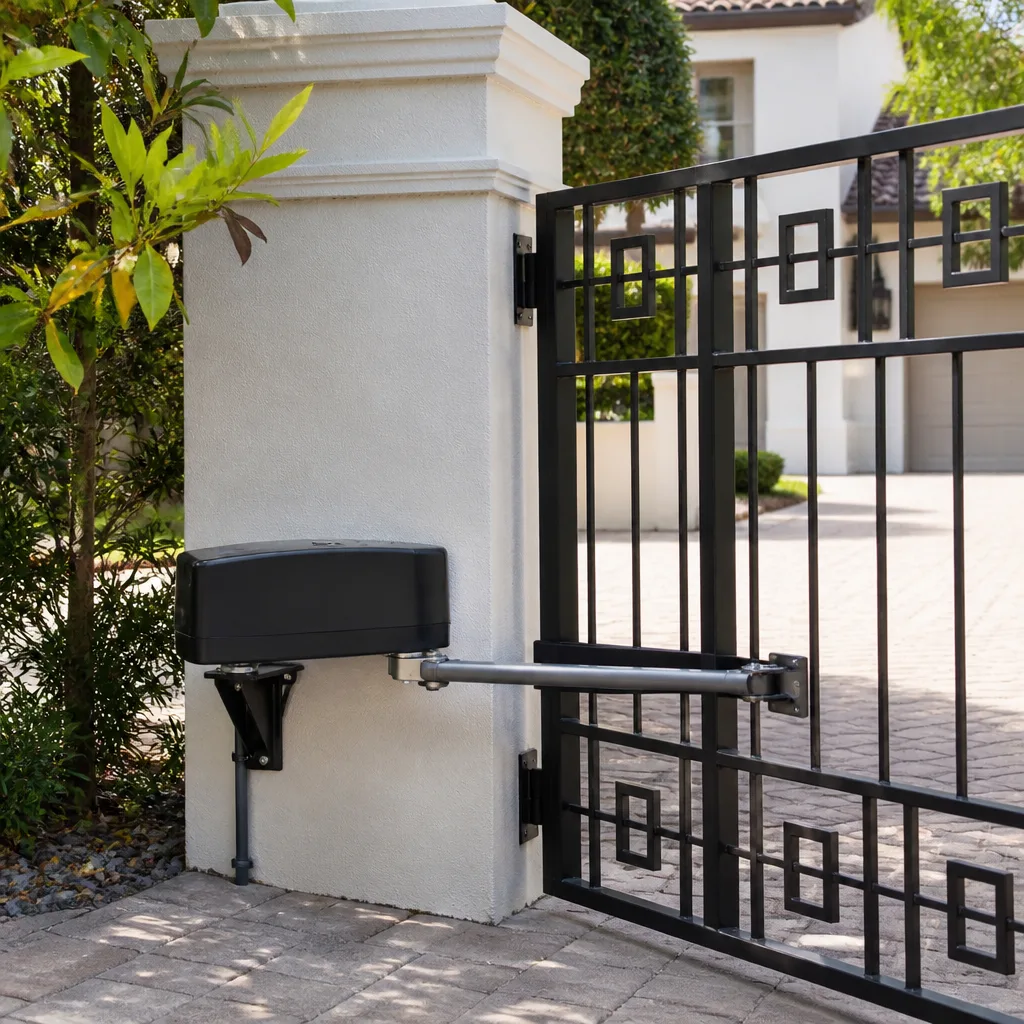 LiftMaster operators
Free on-site gate assessment - hinges, posts, and your LiftMaster or Nice gate operator checked before anything is quoted
The assessment is free and the quote is the invoice.
Get your free estimateDIY vs Professional Gate Repair: The Eastmoreland Homeowner’s Decision Guide
Replacing a gate hinge yourself is a legitimate DIY project. Adjusting the force settings on an automated gate operator is not. That’s the line most homeowners get wrong, and it has nothing to do with how handy you are. The real dividing line in gate repair is system type. An Eastmoreland homeowner with a manual swing gate can safely handle a surprising amount of upkeep. An Eastmoreland homeowner with an automated driveway gate is working around low-voltage wiring, force calibration and entrapment protection that federal safety standards say should be set by someone who knows what they’re measuring. This guide draws that line precisely, task by task, so you can decide what to tackle and what to hand off.
Quick Answer
Manual gate repair is often safe for homeowners to attempt: lubrication, hinge and latch adjustment, hardware replacement, and clearing a sagging gate are all reasonable DIY work. Automated gate repair is not. On any gate with an operator, the motor, control board, safety sensors and force limits should be handled by a trained technician, because miswired or miscalibrated safety devices create a real entrapment hazard. If your gate is electric, the decision is simpler than it looks: call a specialist.
Our technicians have up to 15 years of experience, and across nine automation brands we’ve seen what happens when a homeowner adjusts an operator by feel. This guide is about helping you avoid that call.
Styles & brands we work with
- Wrought iron
- Wood & steel frame
- Farm & ranch
- Sliding driveway gates
- LiftMaster operators
Table of Contents
- The DIY Permission Matrix: What You Can Do by Gate Type
- Why Automated Safety Is the Hard Line
- Tools and Knowledge That Actually Expand Your DIY Range
- The Real Cost of a Botched DIY Repair
- Pre-Call Triage That Lowers Your Repair Bill
- Matching Your Brand to the Right Level of Help
- Eastmoreland Weather and Your Gate
- When to Stop and Call a Professional
The DIY Permission Matrix: What You Can Do by Gate Type
The single most useful way to decide on a gate repair is to look at what moves the gate. If a person moves it, you have a lot of room to work. If a motor moves it, you have a lot less. That’s the whole matrix in one sentence, but the detail matters, because plenty of homeowners in Eastmoreland run a manual gate for the front walk and an automated one across the driveway, and they treat both the same way.
Manual gate tasks that are DIY-safe
- Lubrication. Hinges, latches and slide track hardware take routine lubrication. Dry graphite suits exposed hinges; a lithium or silicone spray works for tracks.
- Hinge and hardware replacement. A worn hinge or a stripped bolt is straightforward work with basic hand tools.
- Latch and catch adjustment. If the gate no longer catches cleanly, the latch is usually out of alignment and can be shifted a little at a time.
- Sagging gate adjustment. A manual swing gate that drags is usually a hinge or post issue. You can often correct a small sag by shimming or re-hanging.
- Touch-up and surface care. Sanding a rust spot and repainting a steel gate protects it. Wood gates benefit from a re-seal.
Automated gate tasks that require a trained technician
- Motor and operator work. Any repair inside the operator housing or a motor replacement belongs to a technician.
- Control board and wiring. Low-voltage wiring, controller diagnostics and terminal connections need a multimeter and the ability to read a wiring diagram.
- Safety sensor and entrapment protection devices. Photo eyes, safety edges and loop detectors must be positioned and tested against the standard that governs them.
- Force and speed calibration. This is the setting that most defines whether a gate is safe. It cannot be set by feel.
- Keypad, intercom and access control. These tie into the operator and often to your home network. Miswiring a keypad can take the whole operator down.
If you want a deeper look at what full-system repair covers, our gate repair page walks through the categories a specialist handles. For most Eastmoreland homeowners, the honest answer to “should I fix this myself” starts with a glance at whether an operator is present.
Why Automated Safety Is the Hard Line
An automated gate is a machine with a motor that can move a heavy panel with a lot of force, and that is exactly why the safety standards around gate operators exist. The standard that governs residential and commercial gate operators in the U.S. is UL 325, and it covers entrapment protection, meaning the devices and settings designed to keep a gate from closing on a person, a pet or a vehicle. Getting force calibration wrong is not a minor tuning issue. It’s a safety failure.
Here’s the problem with “tightening until it feels right.” A gate operator’s force limit and safety devices are checked by measurement, not by touch. When you stand next to a gate and adjust a pot or a menu setting, then walk into the path to “test” it, you’re the test dummy. That’s why we don’t recommend it on any operator, no matter the brand.
Entrapment protection comes in two broad forms on residential gates:
- Inherent protection. The operator itself limits force and detects obstruction. Settings for this live in the operator’s control and calibration.
- External protection. Photo eyes, safety edges and loop detectors add a layer of detection that stops or reverses the gate when something is in the way.
Both need to be present where the standard calls for them and tested to confirm they actually work. That’s a measurement problem, and it’s why the safety side of an automated gate is the one part of gate repair that we treat as strictly professional work. On this point we don’t hedge. If your Eastmoreland gate has an operator and you’re unsure how the safety devices are set up, it’s worth a technician’s visit even if the gate seems to run fine.
Tools and Knowledge That Actually Expand Your DIY Range
You can safely widen your own range without touching an operator by building up a couple of cheap tools and a little understanding. Not a full workshop. Just enough to diagnose a manual gate problem and to hand a technician a useful description of an electric one.
Tools worth owning
- A digital multimeter. A basic meter lets you confirm whether a low-voltage line is live, check continuity on a keypad lead, and understand what a controller is reporting. It won’t tell you how to fix an operator, but it turns “it’s broken” into “there’s power at the terminal but no output.”
- An alignment gauge or a good level. Small post and hinge alignment problems cause most manual gate dragging. A level and a marker is often all you need.
- The right lubricant for the right application. Dry graphite for exposed hinges and latches. Lithium or silicone spray for slide track hardware. A light oil where a hinge gets heavy traffic.
- Penetrating oil and a wire brush. For rusted hardware you’re about to loosen or replace on a manual gate.
Knowledge that pays off
Learn what a normal cycle looks like on your automated gate: how fast it moves, whether it starts smoothly, whether the arms are aligned, whether it stops cleanly. When something drifts, being able to tell a technician exactly what changed and when shortens the diagnosis. Same goes for your keypad or intercom. If the code stopped working after you changed your Wi-Fi, say so. That detail saves time on the visit.
If you’re considering a new operator or an upgrade rather than a repair, a specialist can explain the options around force settings and entrapment protection as part of the job. Our gate motor & opener page covers that side of the work.
The Real Cost of a Botched DIY Repair
The trouble with a DIY repair that goes wrong on an automated gate is that it usually doesn’t announce itself. The gate still opens. The motor still runs. What went wrong is inside the settings, the wiring or the safety devices, and you find out when it matters. That’s the failure mode we care about most.
On the mechanical side, a botched DIY fix is more forgiving but still expensive. Worn hinges you replace with the wrong size can warp a post over time. A latch you “adjust” too far can crack a weld. A gate you force closed against a misaligned track can bend a slide rail. Each of those is more work than the original problem.
The classic scenario for electric repair costs is this: a homeowner replaces a control board or rewires a keypad lead, and the operator works but a safety element doesn’t. A technician arrives to find the original fault still present plus a new one. Fixing both is real work. Removing the miswiring, diagnosing the original failure and setting the safety devices properly takes longer than it would have if a specialist had looked at the gate first.
That’s why we treat the “I’ll just try it” instinct on an operator with some caution. On a manual gate, no harm. On a motor or controller, the downside is that the visit costs more than if you’d called a technician with the original symptom. For a look at how repair jobs are scoped and priced, our Gate Repair Eastmoreland page covers what an estimate includes.
Pre-Call Triage That Lowers Your Repair Bill
You can shorten a technician’s diagnostic time on an electric gate well before anyone arrives, and that reduces your bill because the visit is shorter. Pre-call triage is the part of the process most homeowners skip. It’s also the part that turns a mystery into a 30-minute repair.
- Write down the exact symptom. “The gate opens halfway and stops” is good. “It’s broken” is not. What does it do, what should it do, and did it start suddenly or get worse?
- Note when it started. After a storm, after someone adjusted something, after a power outage, after a code change on the keypad. Each points to a different cause.
- Check the power. Confirm the operator has power at the panel. Look at breaker and any disconnect switches. Don’t open the operator housing.
- Look at the mechanical side. Is anything physically in the way? Is a hinge dragging or a track dirty? A gate that binds will trigger safety features on a properly set operator, and the “fault” may be mechanical.
- Photograph the operator label and any keypad or intercom model number. A technician arriving with the brand and model in hand is faster than one reading the label on-site.
- Try the manual release. On most residential operators you can disengage the gate from the motor so you’re not trapped. Do it once so you know how, and do it before the gate fails, not after.
- Note recent activity. New landscaping, a fence repair, a driveway repave. It’s surprising how often a buried loop detector or a shifted post is the real story.
That’s the full triage list. Even doing half of it changes the shape of a repair visit. And if a problem turns out to be mechanical rather than electrical, a technician may resolve it in the same visit. Our technicians have up to 15 years of experience across gate brands, so the triage information often lands on someone who’s seen it before.
Matching Your Brand to the Right Level of Help
Automation brands differ in how they set safety and force limits and in what a homeowner can safely adjust. That’s the part of brand knowledge that matters for this decision. Some operators are consumer-grade systems with clear menu guidance. Some are commercial-grade platforms with layered programming meant for a technician. We work on LiftMaster, Elite, FAAC and the other six brands we specialize in, and we approach each by its own logic rather than a generic inspection.
A quick split by brand type:
- Consumer-grade systems like Mighty Mule and Ghost Controls are usually installed on single-family driveways. They’re simpler to work on and a homeowner can do more routine upkeep around them. But the safety side is still professional work.
- Mid-tier residential systems like LiftMaster and Elite are common on automated residential gates in Eastmoreland. These are the systems most homeowners will see day to day, and they have force limits and safety devices that need testing.
- Commercial-grade systems like FAAC and DoorKing turn up on HOA and multi-unit entries around Eastmoreland. These are typically programmed for their property and should be serviced by a specialist.
The takeaway is the same for all nine: know the brand, know the model, and know what you’re safe to touch. If you’re installing a new gate rather than repairing one, our gate installation page covers what goes into an automated install from the ground up. It’s a good read before you choose an operator, because the brand determines what repair work will look like later.
Eastmoreland Weather and Your Gate
Eastmoreland’s climate shapes what breaks on a gate. The wet season drives the problems you’ll see most: moisture in hinges and latches, wood swelling at a post, dirt and grit in a slide track, and seasonal growth against a gate’s path. Dry, warm stretches do their own damage with UV and dust. Most of what a homeowner can safely do is preventive, and it’s the cheapest repair there is.
Reasonable preventive care for an Eastmoreland gate:
- Clear the path seasonally. Growth against a swing or slide gate can bind it, and a bound gate can look like an electrical fault.
- Lubricate hinges and latches before they seize. A quick spray in the wet season is a few minutes’ work.
- Check the gate for rocking or dragging. A swing gate that drags is often a post fixing issue you can spot early.
- Look at drainage around the operator. Pooled water at the base of an automated gate is a technician’s problem, but noticing it before it turns into one helps.
What you can’t safely do in any season is calibrate an operator. The climate changes the wear, not the standard. If your gate has an operator and it’s behaving oddly after a stretch of wet weather, that’s a call to a technician, not a home fix.
Common Mistakes to Avoid
- Adjusting force or speed settings by feel. This is the single worst DIY choice on an automated gate, and it’s the exact setting UL 325 was written to govern. If the gate feels wrong, it needs measurement, not more force.
- Testing a safety edge or photo eye by walking into the gate’s path. Never use yourself as the test. A technician tests with the manufacturer’s procedure, and there’s a reason.
- Rewiring a keypad or intercom while guessing the terminals. On an Eastmoreland gate that a keypad controls for a whole household, miswiring a low-voltage lead can take the operator’s control board with it.
- Forcing a binding gate open or closed. When something mechanical is wrong, forcing the gate to move can bend a slide rail or crack a weld, and both are expensive to replace.
- Replacing hardware on a manual gate without checking post alignment. New hinges on a post that’s drifted won’t fix a sag, and you’ll be back at the same repair next season.
- Ignoring mechanical wear because the operator seems fine. A binding gate triggers safety features on an operator that’s doing its job. If the gate is fighting the motor, the repair is mechanical.
- Calling with no symptom information. “It doesn’t work” costs more diagnosis time than “no closing motion after a storm, lights on the control panel.” A few notes before you call save both time and money.
See the difference
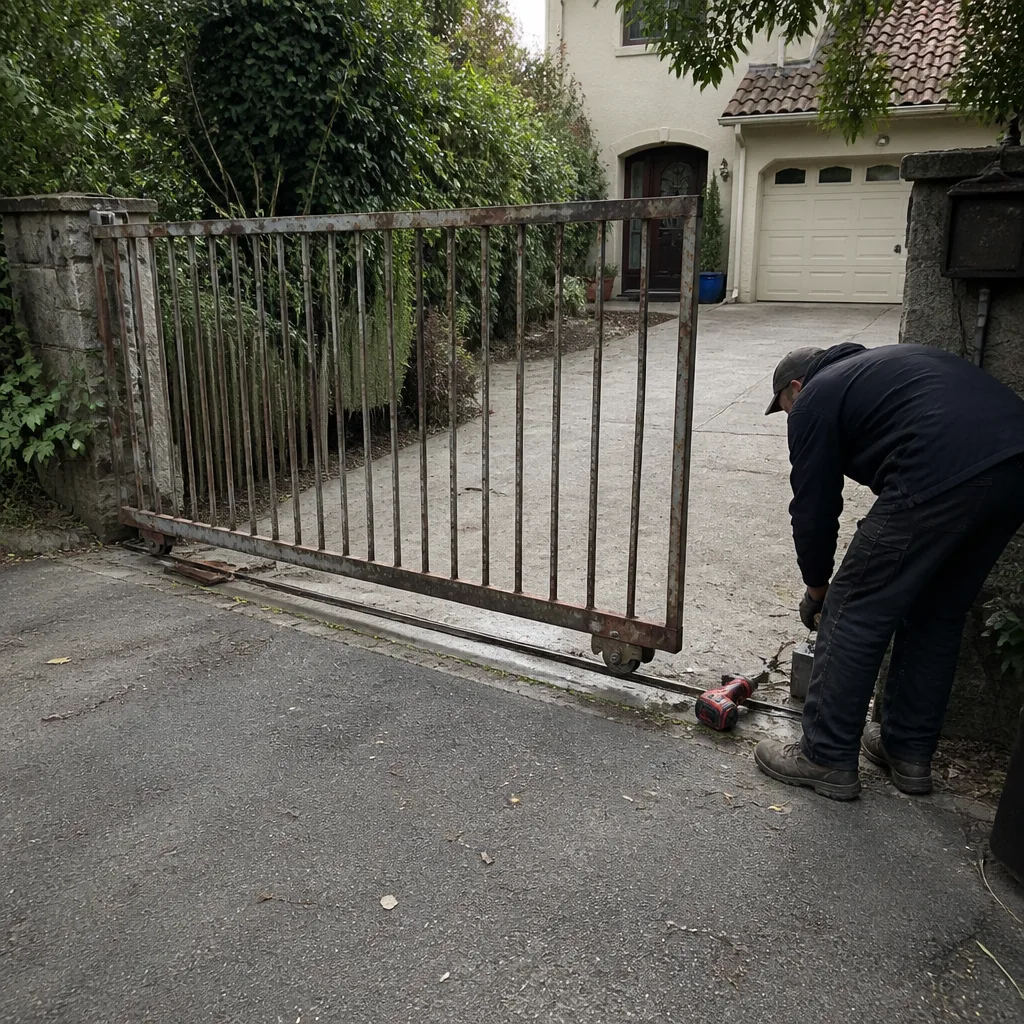 Before
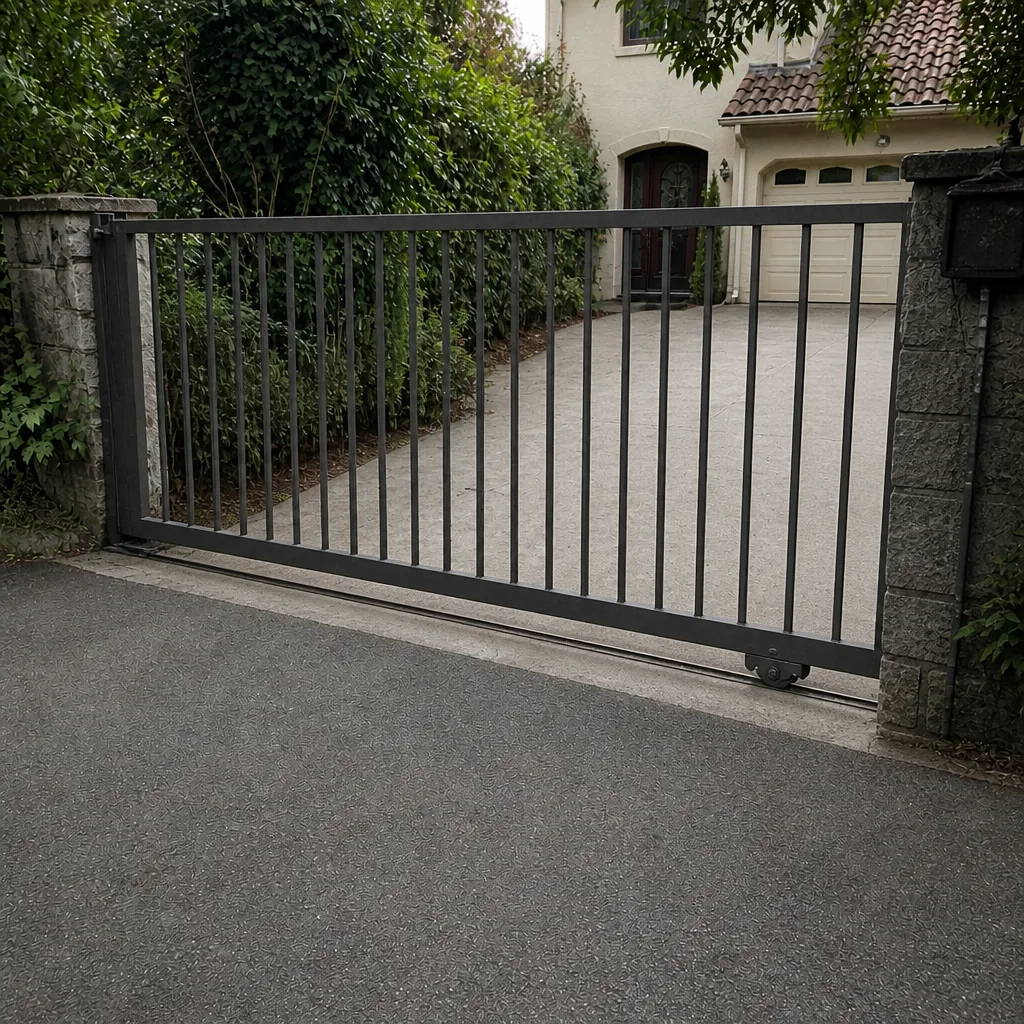 After
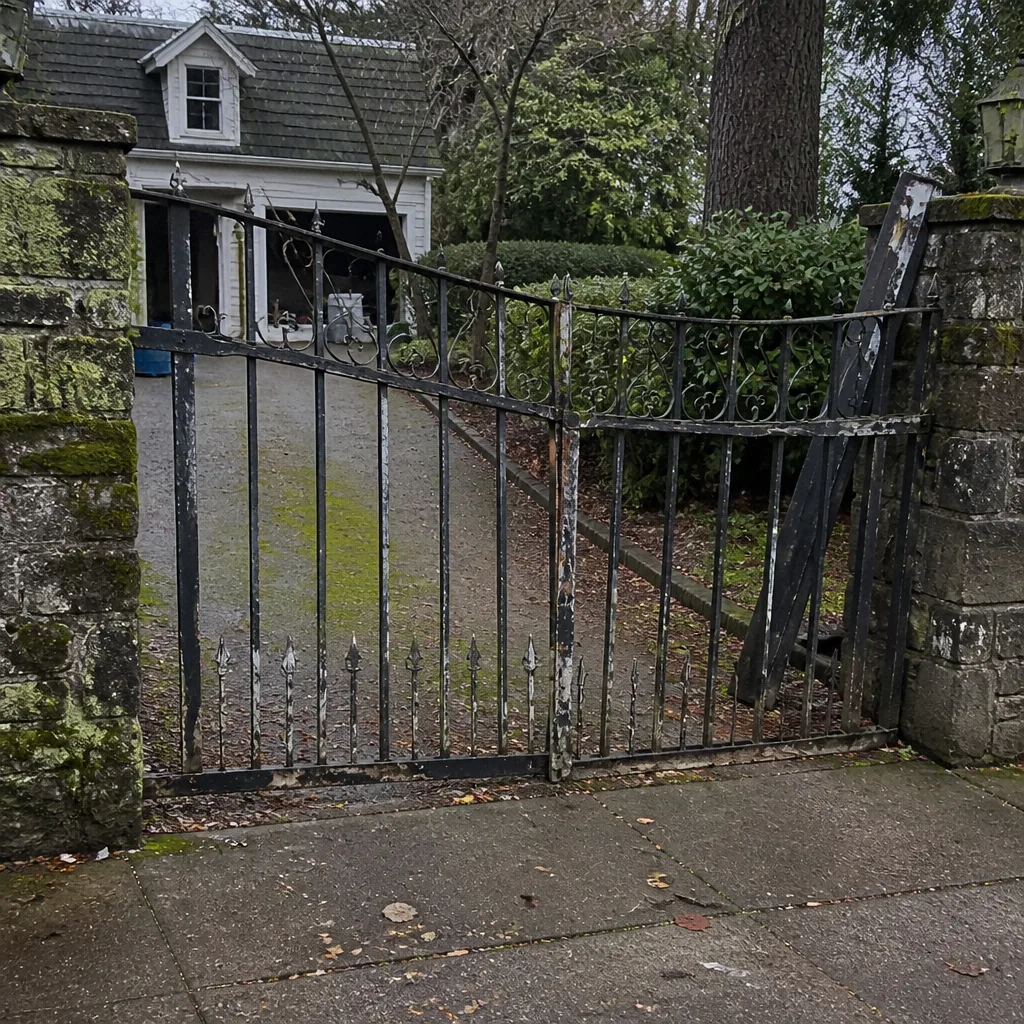 Before
 After
 Before
 After
When to Call a Professional
Any operator work is a call. That includes force and safety calibration, control board failure, low-voltage wiring, motor replacement, keypad and intercom wiring, loop detector problems and photo eye replacement. On a manual gate, call a professional if the gate has shifted enough that the post itself is moving, if a weld is cracked, or if a repair you’ve done twice keeps failing. If the gate is a security boundary for an HOA or a multi-unit entry in Eastmoreland, call from the start. The gate is the access point for a whole property, and a bad fix affects everyone.
Gate Repair Eastmoreland offers free estimates in Eastmoreland. Call (888) 839-4209. We answer 24/7. Fast dispatch from 7am to 7pm, Sunday through Friday, and we’re closed Saturday.
Frequently Asked Questions
Yes. Hinge and latch replacement on a manual gate is a legitimate DIY project with basic hand tools, and it’s one of the safest repairs a homeowner can take on. The one caveat is post alignment: new hardware on a post that’s drifted won’t fix the sag. For an automated gate, hinge work is still fine, but any work that touches the operator’s safety devices or settings is not.
Because force calibration is a safety setting, not a preference. UL 325, the standard that governs gate operators, covers entrapment protection, and setting force limits too high can defeat the operator’s ability to detect an obstruction. That’s a hazard. It also can’t be set reliably by feel, so the setting needs measurement by a technician. Call (888) 839-4209 for an exact quote on the diagnostic visit. Estimates are free.
Most electric repair visits include a diagnostic, a check of the operator, control board and safety devices, a mechanical check of the gate itself, and repair or replacement of whatever’s failed. If a keypad or intercom is involved, wiring is checked too. We work on all nine of the automation brands we specialize in, and we scope the price in a written estimate before work starts. Call (888) 839-4209 and we can walk through what your gate needs.
Look at the operator housing. There’s usually a manufacturer label with the brand and model number on the outside or inside the access door. LiftMaster, Elite, FAAC, DoorKing and the other brands we work on all use their own label format. You don’t need to open anything you don’t feel safe opening. A photo of the label is enough for us to identify the system.
Yes, and it happens often. Homeowners who replace a control board or rewire a keypad lead can end up with a gate that “runs” but has a safety problem, on top of the original fault. Fixing both is more work than fixing the original issue. That’s the practical reason to call a specialist for anything that touches an operator. We answer 24/7 at (888) 839-4209.
Yes. HOA and multi-unit gates around Eastmoreland are typically commercial-grade systems, often FAAC, DoorKing or similar, with access control set up for a whole property. Those gates are best handled by a specialist from the first call. A DIY fix on a shared gate affects the access of every household. We’re set up for residential and commercial gate work, so the estimate reflects the actual system. Call (888) 839-4209.
The Bottom Line
The decision here is simpler than it looks. If a person moves the gate, most routine repair is yours to take on: lubrication, hinge and latch work, alignment, hardware and seasonal care. If a motor moves the gate, the decision ends there. Force calibration, control boards, safety sensors, low-voltage wiring, motor replacement and access control all belong to a trained technician, and that’s not a question of skill. It’s a question of whether the safety devices are set to the measurement the standard requires. Use the triage list when you do call out. It lowers your bill and shortens the visit. And if you’re not sure which side of the line your Eastmoreland repair sits on, one phone call settles it.
Gate Repair Eastmoreland handles gate repair, gate installation, gate motor & opener service and full access control. Our technicians have up to 15 years of experience across LiftMaster, FAAC, BFT, Linear, Viking, Ghost Controls, DoorKing, Elite and Mighty Mule. Call (888) 839-4209 for a free estimate. We answer 24/7. Fast dispatch from 7am to 7pm, Sunday through Friday, and we’re closed Saturday.
Written by the team at Gate Repair Eastmoreland.